Singapore, 2020 · Part 13 of 13 ·
A Cathartic Midnight Musing
Two months later, from a sofa in New Jersey: on grief, rage, and what it meant to feel safe in Singapore.
👋🏾 from a sofa in Perth Amboy, NJ, where I've been sheltering in with my mother and grandfather for the last two months. And what a two months it has been. Amid all the uncertainty of this time, it's not a stretch to say that the history of the 21st century will be framed in pre-COVID and post-COVID terms.
I honestly can't recall many details about the month of April. My memory of that 30-day period is a haze of anxiety, disappointment, and disbelief. I know that the U.S. locked in and shut down as the pandemic reached a peak. I know that healthcare systems nationwide were pushed to the brink. I know that many people died, needlessly in most cases. On a more personal note, I had to come to terms with the fact that my 2020, suddenly upended after a year's worth of planning and preparation, would not unfold entirely as I had hoped. I had it all laid out: five months in Singapore, get into grad school, spend the summer eating, wandering, and shooting 📸 my way across Southeast Asia, make it home just in time for the start of classes.
What I got instead: three months in Singapore, admission to the Harvard Graduate School of Education, where I will be pursuing a degree in Learning and Teaching, and a summer spent holed up with the people who raised me. I have my health, a comfortable home, plenty of food, and a steady source of income. My situation is much better than most, and for that I am grateful. In recent weeks I've come closer to finding a sense of balance that brings me peace. Social distancing comes with real upsides for natural introverts like me. I spend my days reading, cheffing, guitaring, designing math curriculum for an international education organization, and slowly teaching myself to enjoy running. I've also been writing, documenting my 2020 in explosive bursts of productivity, building a backlog of unfinished sketches.
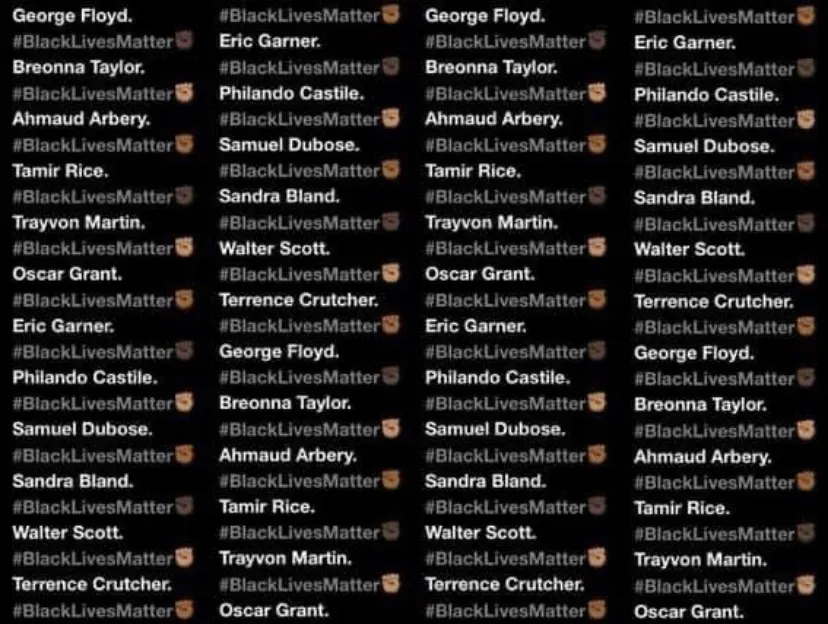
And then this week happened. New names sewn into a tragic tapestry of criminalized existence. Ahmaud Arbery. George Floyd. Breonna Taylor. And one name, Christian Cooper, spared despite the best efforts of an unfortunate namesake. Like many fellow humans, I am sickened, saddened, and enraged for them and for all of us. Fighting off the slow creep of despair has been an uphill battle.
We've seen this before. A quintessentially American flavor of white supremacy and anti-Blackness manifests in state-sanctioned violence. Public outrage, denunciations, advocacy, and activism return to the fore. A tidal wave of memes and videos and donations and social media posts breathes new life into the words of Angela Davis, James Baldwin, and Toni Morrison. Cities in flames.
- "I am not a racist."
- "I can't breathe."
- "Why did he resist?"
- "Please."
- "What about black-on-black crime?"
- "Mama."
- "Looters" and "thugs" and "very good people".
Thunderous silence.
Chaos.
When will this end?
Will justice be served? What does justice look like?
What do we do now?
Ernest Owens had been "glowing" lately. In a recent New York Times op-ed, he discovers the source of this newfound buoyancy in the most unlikely of situations: with physical distancing has come a reprieve from the daily onslaught of racism. The slowdown of public life in the U.S. has lifted, partially and for the more privileged among us, the burden of being Black in American society. In the safety of his apartment he found no micro- and macroaggressions to fuel the constant rage and anxiety with which many of us have learned to live. "Quarantine," Owens writes, "has been protecting me not only from the coronavirus, but also from white people." I know the feeling. My quarantine, in a sense, began in early January.
- 12-year-old: "You look like Kobe Bryant!"
- Me: 🙄 "I don't think so."
- (RIP)
Anyone who has traveled while Black, especially to places with as few Black people as Singapore, knows just how surreal and bizarre and uncomfortable the experience can be. I had my fair share of uncomfortable moments in my host country, but in time I chose to understand these moments as resulting more from curiosity and cultural disconnect than from distrust or disdain.
Trust is what people do in SG (compared with the U.S., at least): trust in one another, trust in the government, trust in public institutions. Trust that the Black man waiting outside his apartment building, having left his keys inside, actually belongs there. Trust that he is walking the aisles of a market with pure intentions. Trust that he is running through the streets because he wants exercise. Trust that he is no public menace. And in this trust I felt profoundly safe, more so than I ever had at home.
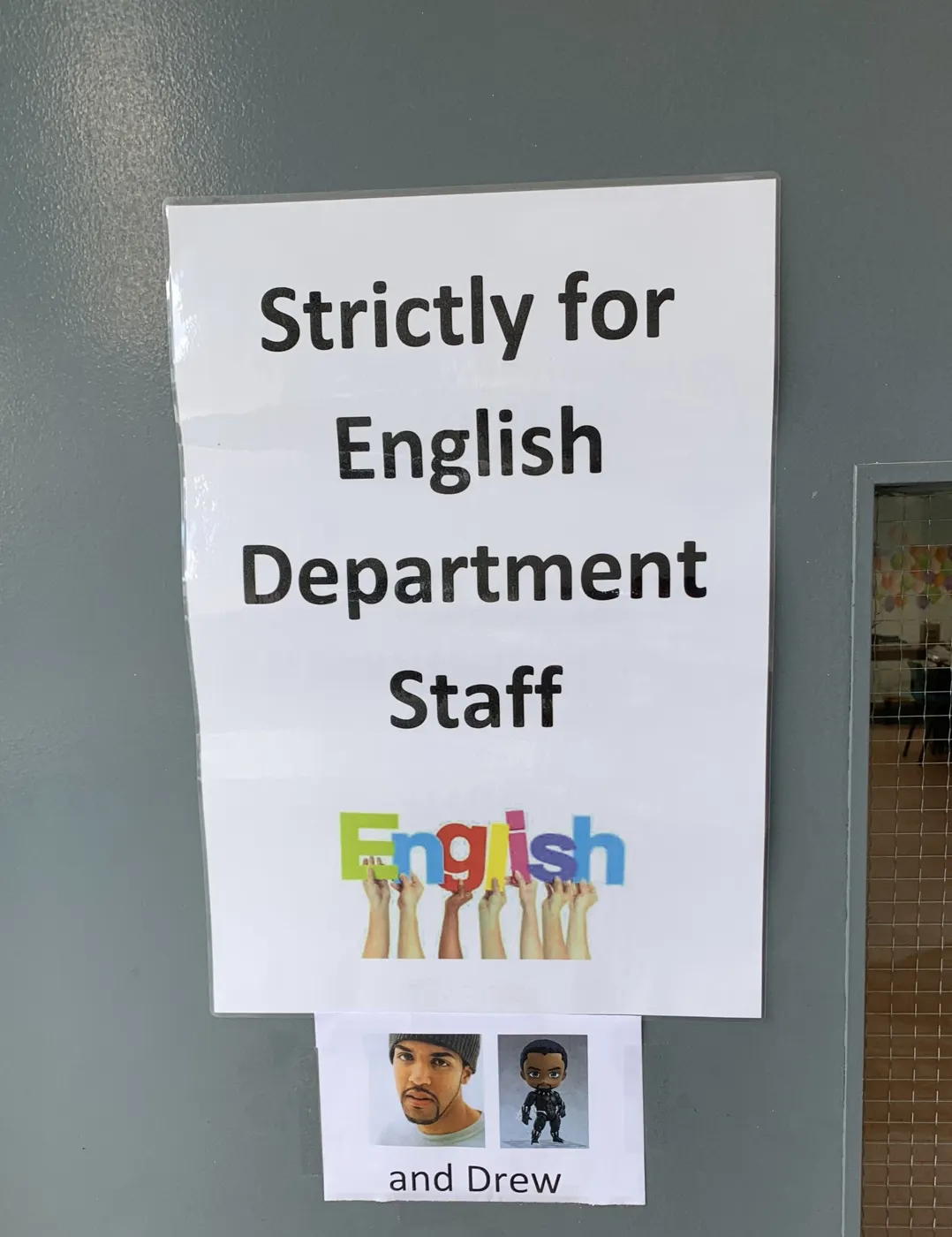
I am in no way suggesting that Singapore has discovered the cheat code for racism. It hasn't. I know that my Blackness brought people discomfort at times. I'm sure people made assumptions and treated me differently because of how I look. Racism exists in SG alongside a host of other -isms. I've got a blog post about the subject that's dying to be finished. Soon it will be.
I'm tired, y'all. If you're not, you should be. But there's still work to be done. All we can do is our part.
Want to be helpful?
Demand accountability from your legislators.
Take to the streets. Be safe.
Donate your time and/or money. A few ideas: