Singapore, 2020 · Part 12 of 13 ·
So… what now?
Thirty-six hours to pack, one last night in the city, a sprint through Dubai, and a lot of questions.
I am writing this post in a basement apartment in Newark, NJ, where I'm serving out a 14-day self-imposed quarantine. It's day 5, all my food is gone, I'm already stir crazy, and my Fulbright experience is over. I spent the first few days here in a haze of disbelief and sadness. I can't say I'm over it, but I am ready to be productive again.
Official word hit my inbox in the early morning hours of March 21, Singapore time. The day before, the U.S. State Department had announced a level 4 travel advisory, the type typically reserved for Afghanistan and North Korea. All U.S. citizens were instructed to avoid international travel and to return home immediately if already abroad. The Fulbright Program was suspending its operations worldwide. Thousands of students, scholars, and educators living and learning under the Fulbright umbrella would be returning, stunned, to their home countries.
A week earlier, when the travel advisory was upgraded to level 3, all U.S. Fulbrighters were strongly advised to return home immediately. Several educators in my cohort, mostly those based in Europe, made the difficult decision to return to an unstable situation at home.
Others, myself included, decided to hold firm. Singapore had gained international acclaim for its containment and prevention methods. It seemed one of the safest places in the world; I'd argue that it still is. Schools were still open, local businesses were still operating, cases were still relatively low, and no one had died. Meanwhile, the situation in the U.S. was rapidly escalating. "Why leave?", I thought.
HA. We know now that even the most prepared countries could merely slow the advance of a virus that had an increasing air of inevitability. Singapore has since endured its first coronavirus-related fatalities, closed entertainment venues until the end of April, and banned public gatherings larger than 10 people. Sitting or standing too close to another person is now a crime, punishable by a $7,000 fine or up to six months in jail. COVID-19 = Thanos.
The level 4 advisory changed things. Staying in Singapore meant the risk of becoming stranded there indefinitely as airlines grounded flights and countries closed their borders. I booked my flight for 9 pm that Sunday, leaving me about 36 hours to pack my one-room apartment into two bags and to say my goodbyes to the city and its people.
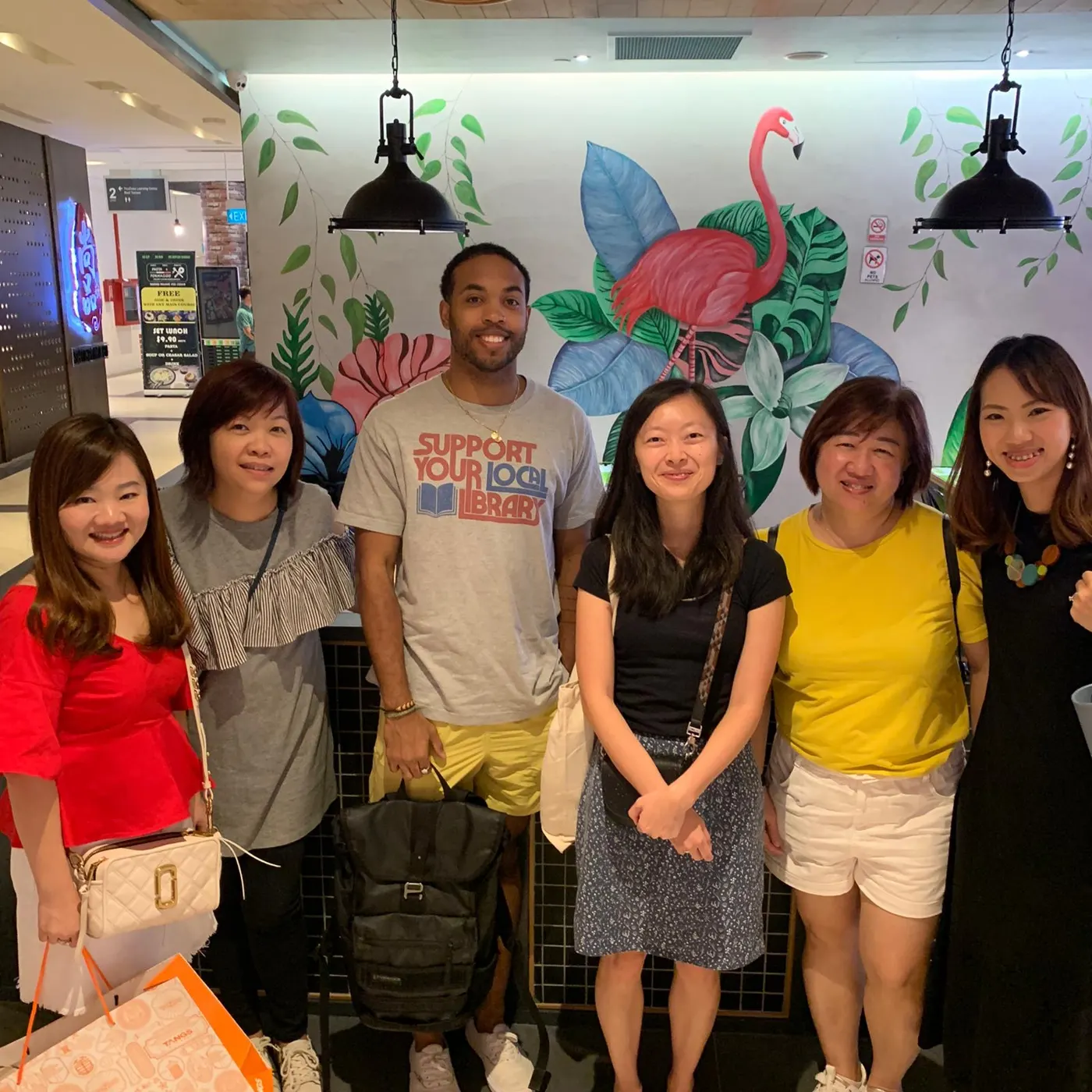
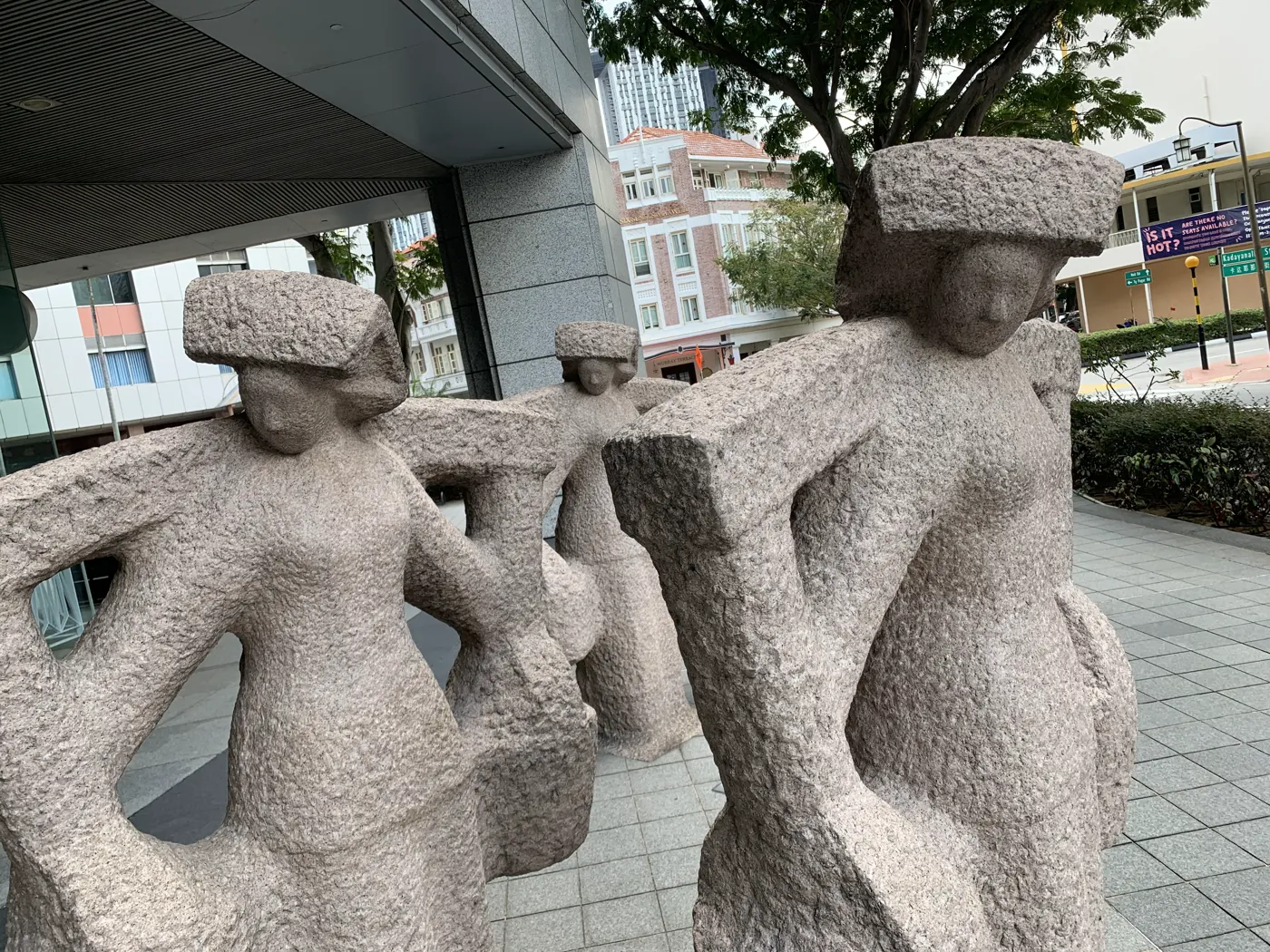
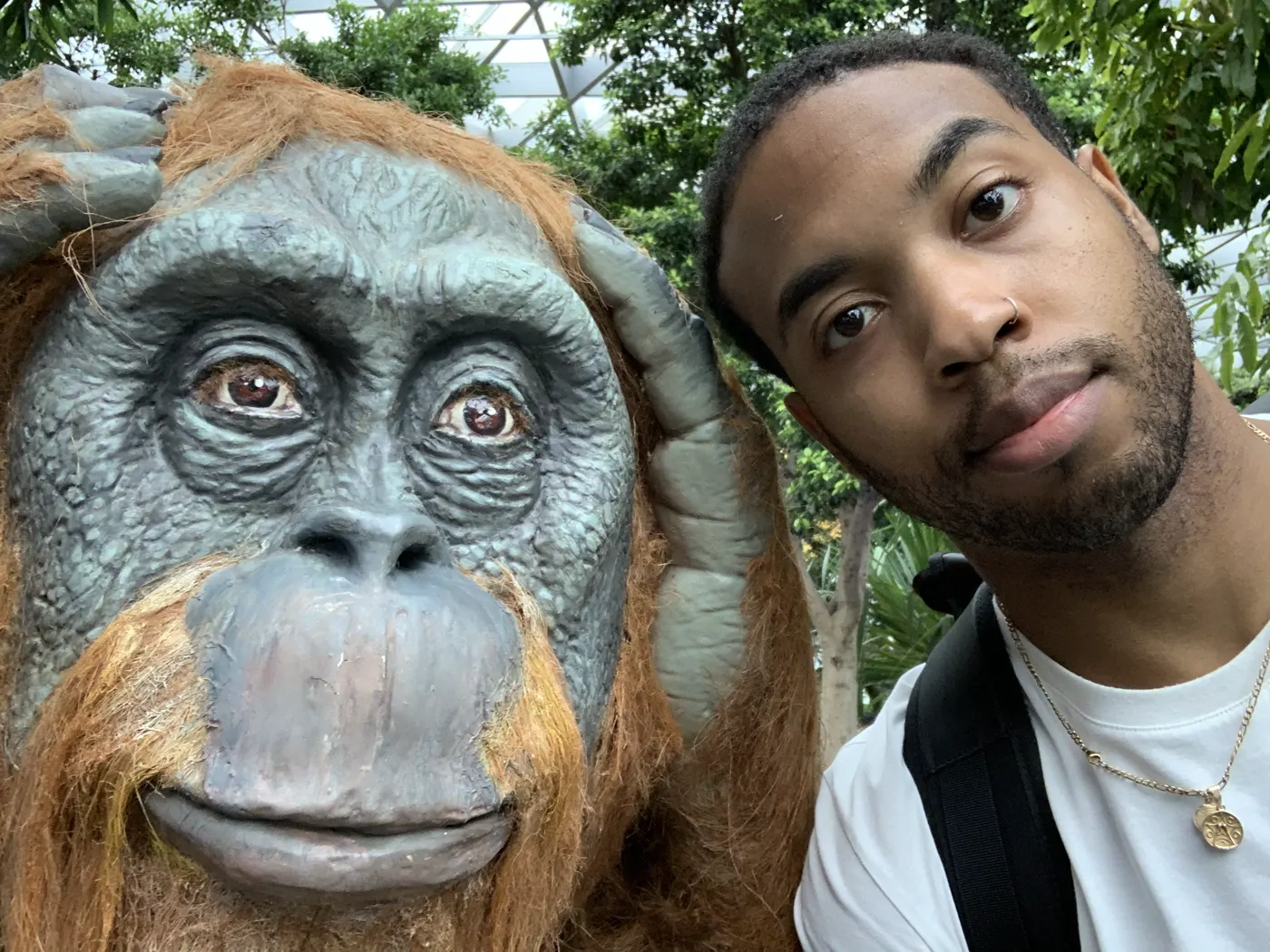
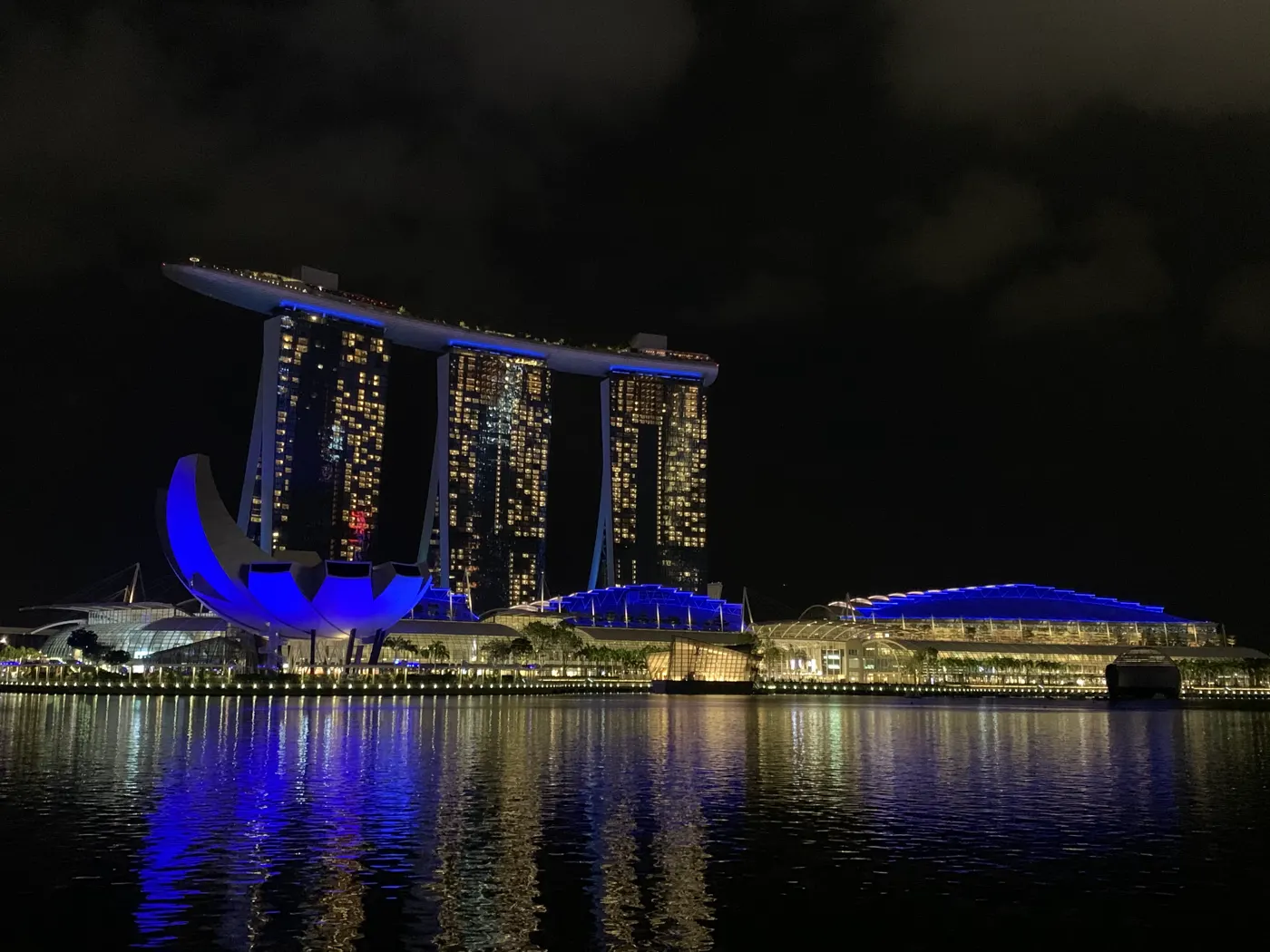
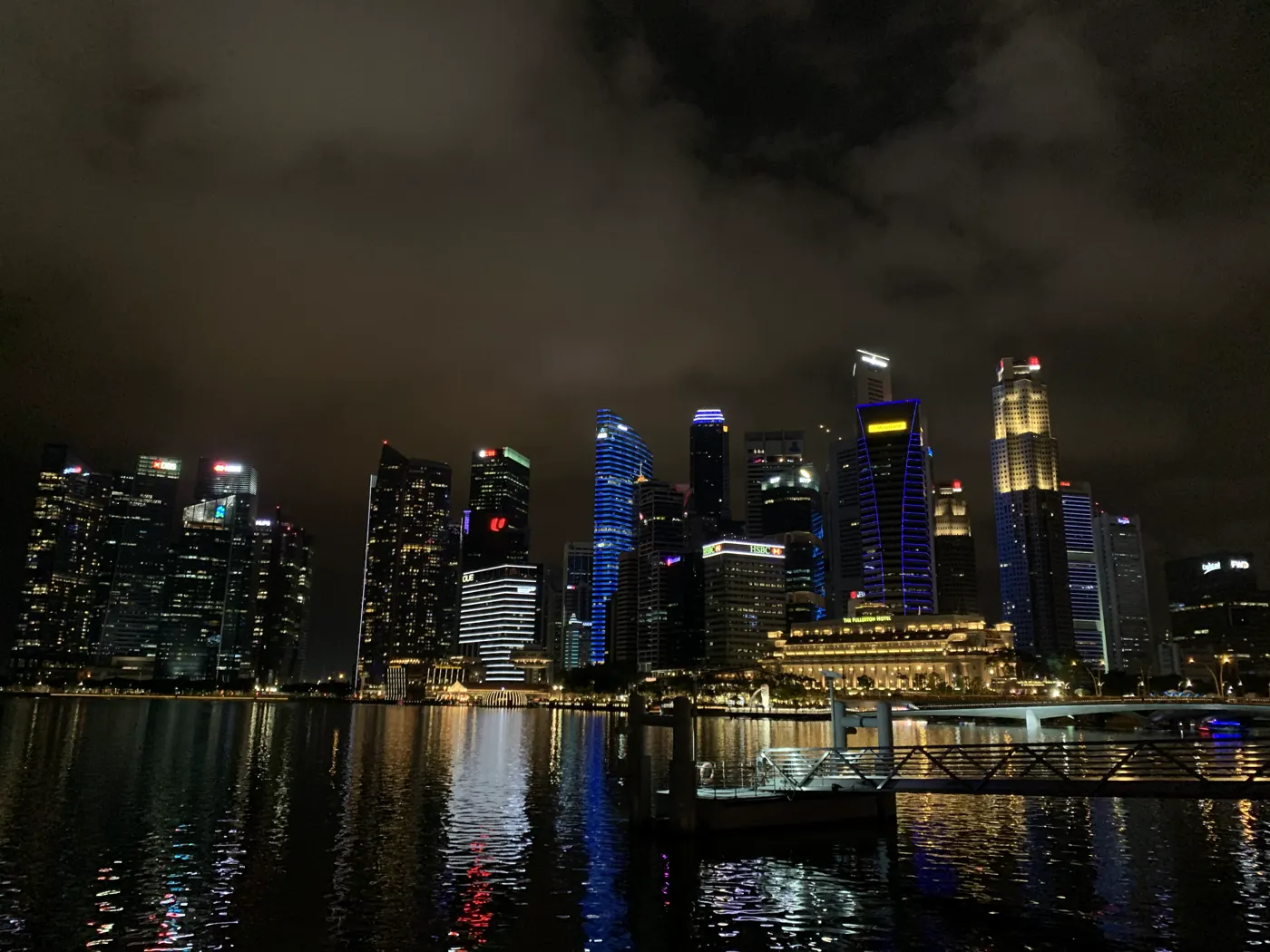
I spent my last few hours in Singapore exploring Jewel, Changi Airport's world-famous entertainment and retail complex.
I was in the air by a little after 9 pm. In 22 hours of flight time, I ate roast chicken and green beans (and several other things), watched Parasite for the first time, napped, read, and wrote while reclining in a row that I shared with no one. But my journey was not entirely stress-free. During my short layover in Dubai I was treated to a cancelled flight, an anxious two-hour wait to secure a seat on the last flight out, and a frantic sprint across two terminals to catch the plane before it left the gate. I would pay for the privilege of footage of me bounding across Dubai International at 3 am local time.
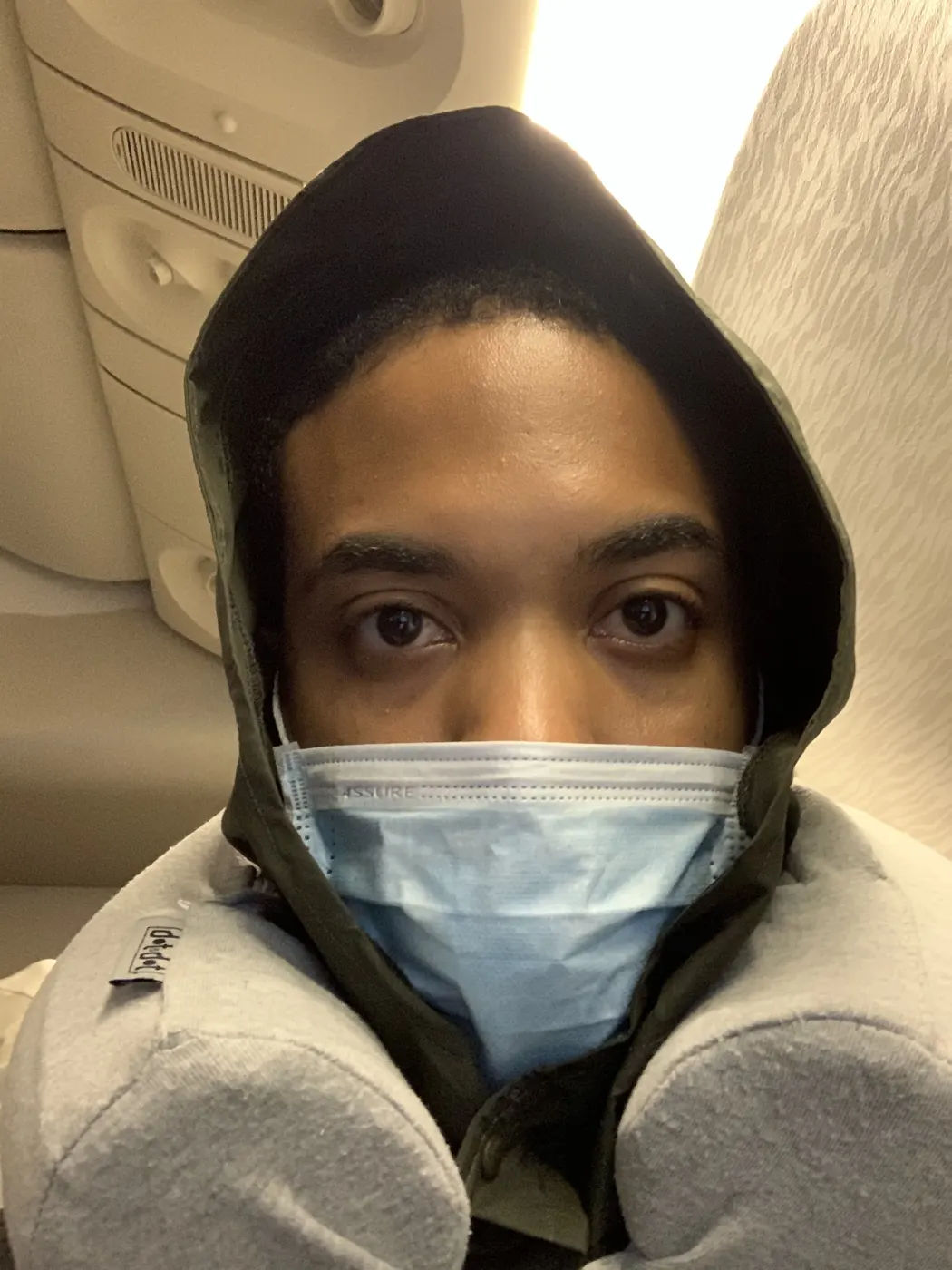
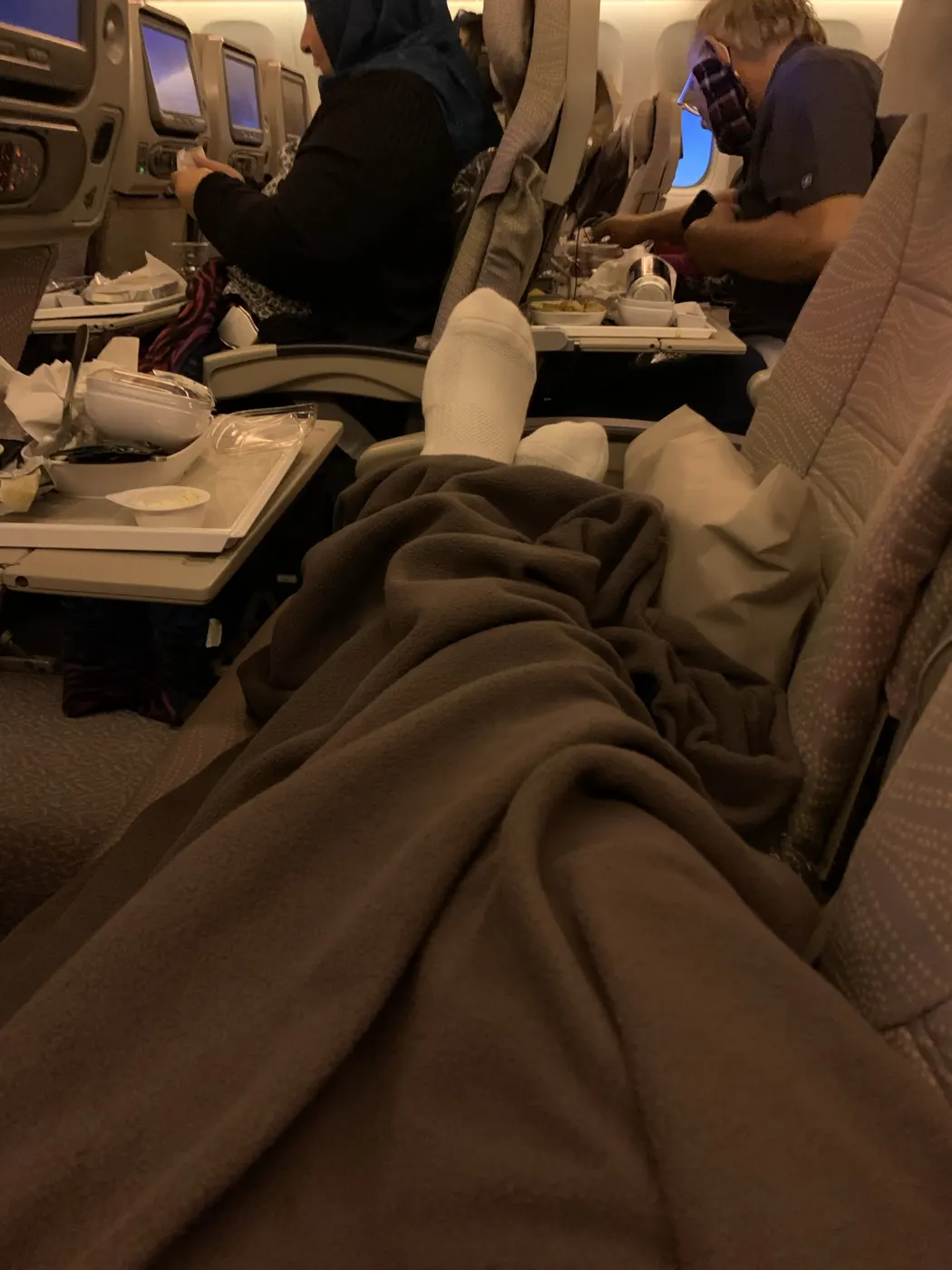
I arrived at Newark Liberty Airport at 10 am local time. More jarring than the emptiness of the airport itself was the laxness of my trip through customs. No one took my temperature, and the medical form I filled out on the plane went uncollected. I want to hope that I caught them on an off day.
So, I am now a Fulbright alum. My inquiry project, however, remains unfinished. I've decided to set this research aside for now. One day I'll return to it, but right now my attention has turned toward other projects. But of this I am sure: I'll return to Singapore one day. It is a beautiful country, and there is so much I'd still like to learn about its peoples and their cultures, its systems and its institutions. I've got a fair number of contacts there. Once the right funding opportunity presents itself, I'll go back.
So where are we now as a global community? The number of confirmed cases has eclipsed 500,000, and a third of the world's population is living under some kind of coronavirus restriction. The pandemic's epicenter has shifted west, through Europe and into the U.S., which now has the most confirmed cases in the world. Healthcare systems are drowning. The inevitable economic downturn after the longest bull market in history has arrived in force, profoundly affecting the lives of hard-working people around the world. Governments are pouring trillions of dollars into their economies to soften the blow. And we are still weeks away from the pandemic's peak.
- What happens when a massively interconnected global economy just… stops?
- What happens when the best measure for stopping the spread of the virus greatly diminishes supply AND demand?
- Are we witnessing the beginning of the decline of the city?
- Are governments doing enough to insulate people, particularly the most vulnerable among us, from the fallout?
- How will the nature of work and school change during this crisis and after?
- What kind of genius are artists and creators, finally free to work on "that thing" they had been putting off for who knows how long, cooking up in their homes around the world?
- In what ways will we be better prepared for the epidemic that will follow later this year, or next year, or ten years from now?
- Will we be ready to handle the mental health crisis caused by weeks and months of social distancing?
- What will be the most popular baby names during 2021's baby boom? (Fauci, anyone?)
- What does the new normal look like?
So many questions, answers unclear.
I sit in this basement apartment, homeless, unemployed, and uninsured, and despite this I cannot forget how fortunate I am. A week from now, I'll move to Perth Amboy to shelter in with my mother and grandfather. In the meantime, I'll focus on finding balance, eyes facing forward.
I started this blog as a way to document my Fulbright adventures. They are over, but this thought space is not. In the immediate future, I'll be addressing the following questions: What have I learned from my time in Singapore? What does this mean for my practice moving forward? What will I do with these insights?
Stay tuned.
✌🏾