Singapore, 2020 · Part 5 of 13 ·
Singapore Art Week
A city bet on human capital, and over 100 art events in a single week.
It seems that I got here at the right time. All month, the city has been buzzing with artistic and cultural events, like the Singapore Biennale and Singapore Art Week. All around the city there are signs (pop-up markets, Chinese zodiac displays, red lanterns hanging from storefronts) of the build-up to the biggest celebration of the year: Chinese New Year. This post will focus on my experiences at SAW; I'll write about my Chinese New Year adventures sometime in the near future.
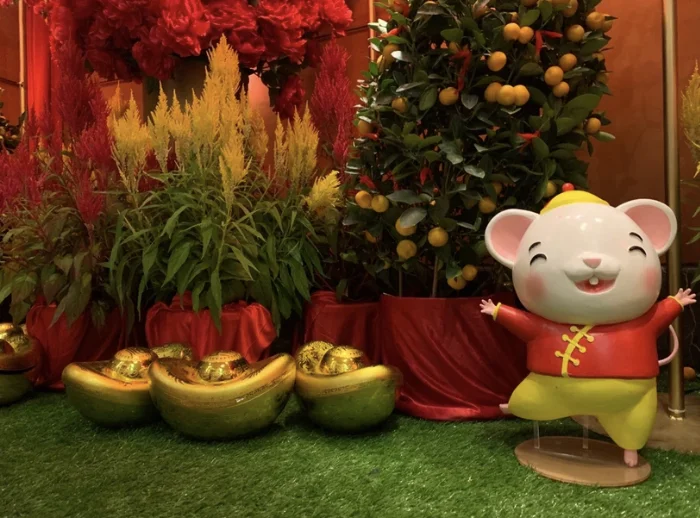
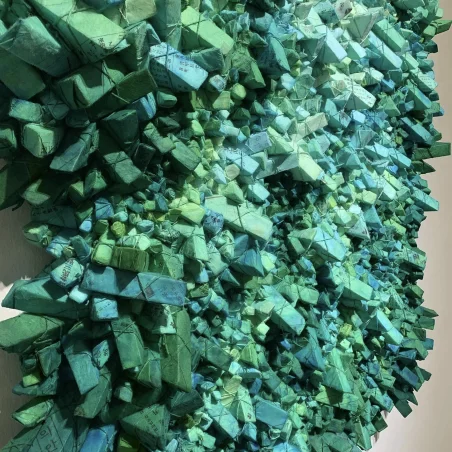
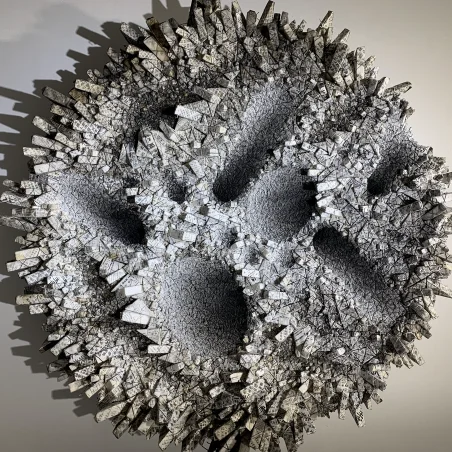
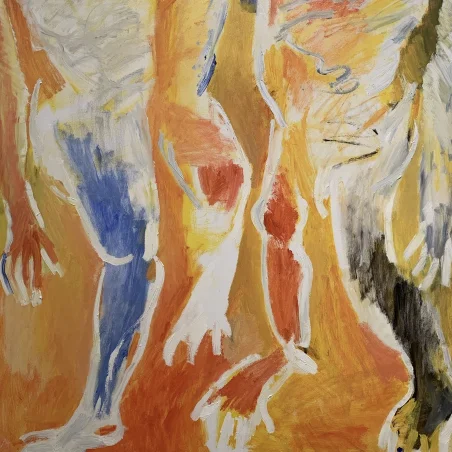
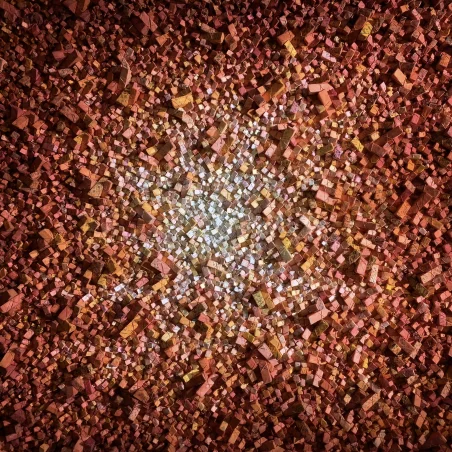
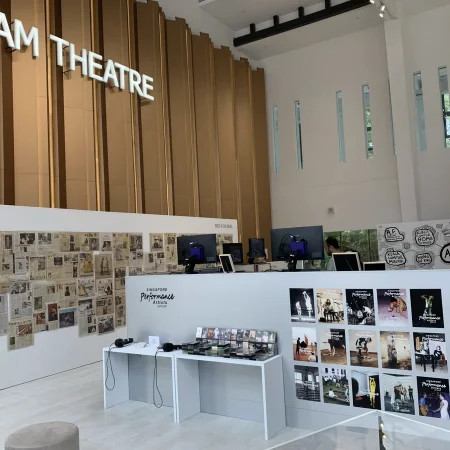
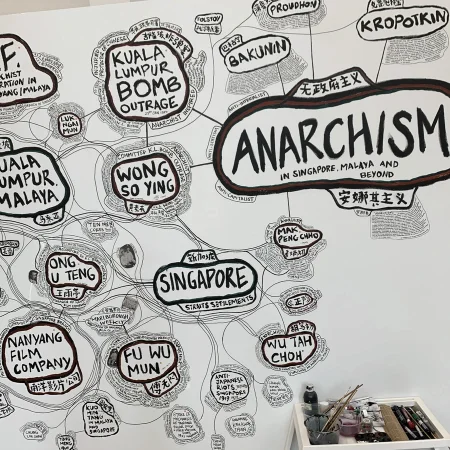
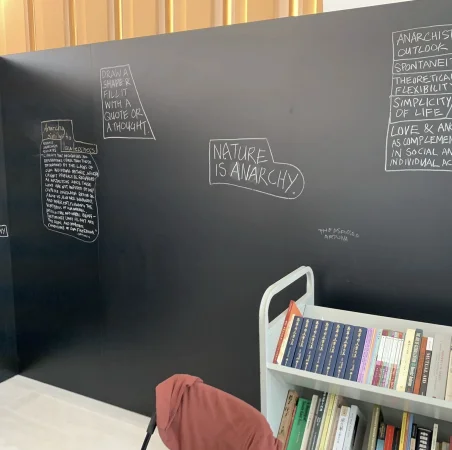
Singapore Art Week has been one of the country's premier visual arts festivals since 2013. This year, from January 11 to 19, the work of local artists, collectives, and organizations was showcased in museums, cultural institutions, private galleries, and public spaces across the island.
Singapore, to make up for its lack of material resources, has made conscious efforts to leverage the power of its human capital. This is most evident in business, education, design, and the arts. In the span of a few decades, Singapore has made (remade?) itself into an innovative "Asian Tiger". This emphasis on ingenuity and creative thinking is what brought me here. With over 100 SAW events to choose from, I decided to dedicate my free time to witnessing as many as I could, because, culture.
Here are a few highlights from the week:
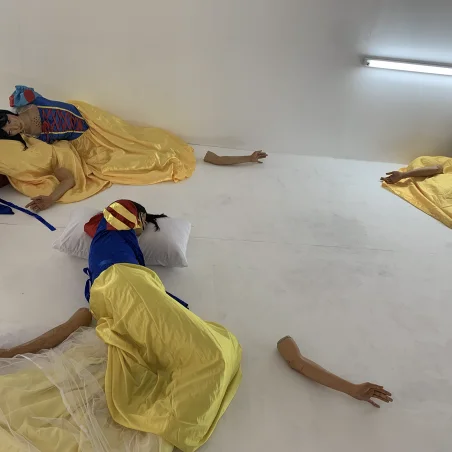
A video installation by Susie Wong called Dancing Alone (Don't Leave Me). Referencing a line from The King and I ("no woman would dance alone while a man is looking at her"), the work explores the representations of women consumed through media and re-enacted in everyday life. Through dance, Wong's performers are both empowered and subjugated.
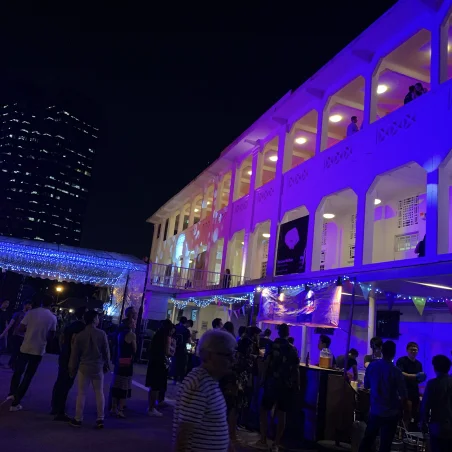
The Light to Night Festival in the Civic District. This year's theme was "Invisible Cities", and its surrealist installations encouraged visitors to reimagine and reexamine familiar landmarks around the city.
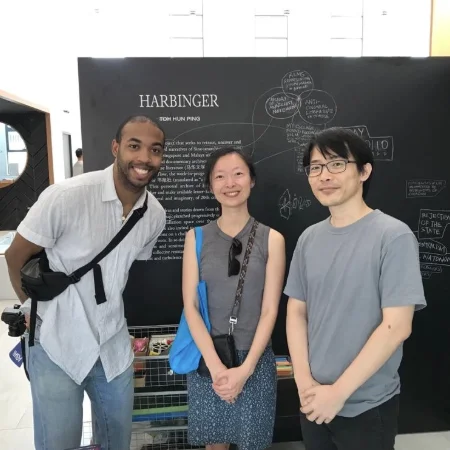
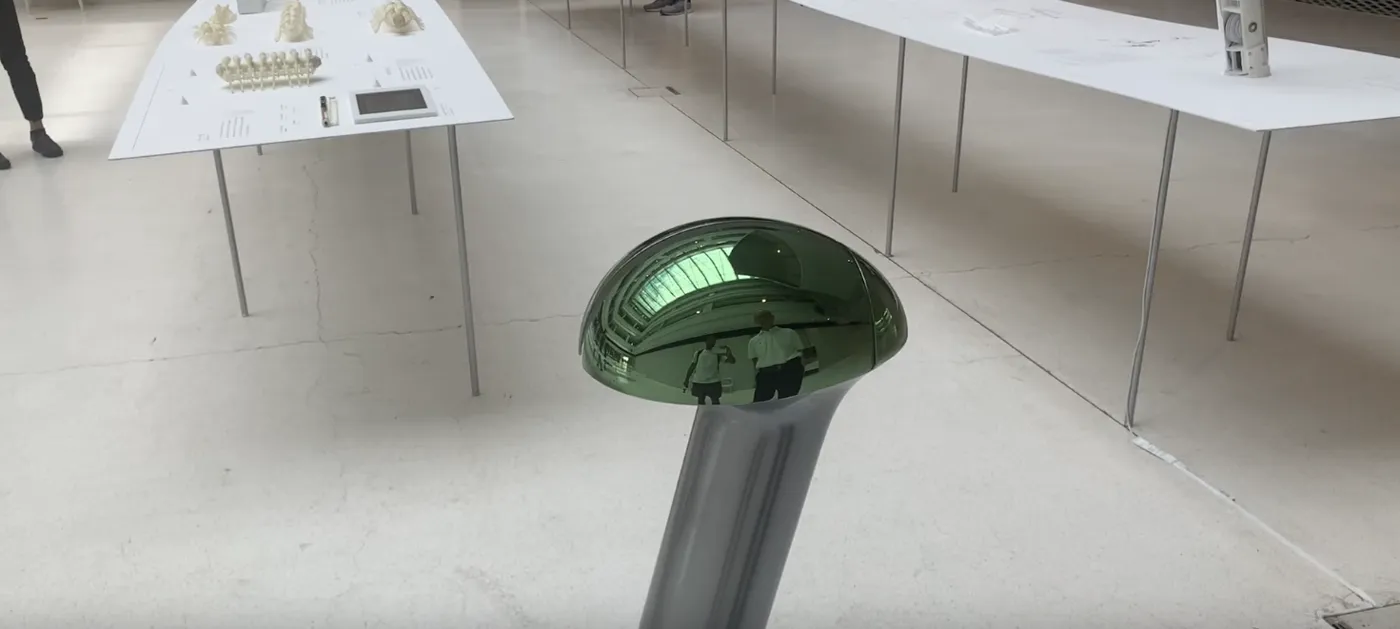
Next up, a recap of week one at my first school attachment!
✌🏾