Singapore, 2020 · Part 6 of 13 ·
Yu Neng Primary School, Part I
My first school attachment: 1,200 students, classes of 40, and questions about the Bermuda Triangle.
On the morning of Monday, January 20, I met Reeja for a 30-minute commute to Yu Neng Primary School, in the Bedok neighborhood on the eastern end of the island. Vice-Principal Tay-Lee was there to greet us when we arrived. We were led into a conference room and soon joined by the Head of Department for Mathematics, the School Staff Developer, and Royston, Math Subject Head and my host during my five-week stay at YNPS. Over the next 90 minutes we discussed the history, structure, and core values of the school, my inquiry project, and my schedule for the first two weeks of my attachment. At Yu Neng I'll be observing and teaching classes, collecting data for my project, facilitating a professional development session on restorative practices in schools, and working with a team of math teachers to redesign a unit of study. They graciously answered my questions and told me how excited the staff and students were about my visit. They even gave me a tote filled with school "swag": pens, erasers, school newsletters, even a pair of neon school-branded shoelaces.
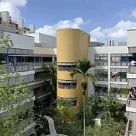
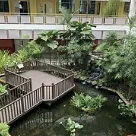
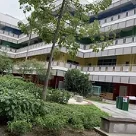
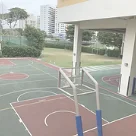
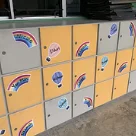
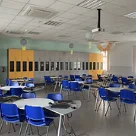
After taking some time to settle in at my desk in the faculty office (teachers are not assigned to classrooms, but rotate from room to room throughout the day), I was led on a tour of the school, which is MASSIVE, at least compared to the schools I've taught in. Yu Neng serves 1,200 students in grades 1–6, three times the enrollment of my most recent school. It was a joy to move through its outdoor corridors and its gardens, to view the student artwork and awards displayed on the walls, and to wave at the hundreds of smiling children as we passed them.
I arrived at 7:20 the next day, just in time for morning assembly, during which the entire school meets in the great hall to sing the national anthem, say the national pledge, and hear morning announcements. After an introduction by the vice-principal, I came on stage for a presentation introducing myself and sharing a bit about New York City.
Over the next few days I observed several P5 and P6 math classes. Among the first things I noticed were the class sizes, which hover around 40 students with a single teacher. Most lessons made heavy use of an online portal called Student Learning Space (SLS). SLS gives all students in the national school system equal access to MOE-created curriculum resources in all subjects, from primary to pre-university level. The idea is that SLS will allow teachers and students to create customized learning experiences through the purposeful use of technology in the classroom. Teachers have a lot of latitude to use the platform in creative ways. In Royston's class, for example, students were given a problem and tasked with creating an instructional video in which they modeled the problem, solved it, and explained their reasoning. They were then asked to review their peers' videos and give them feedback.
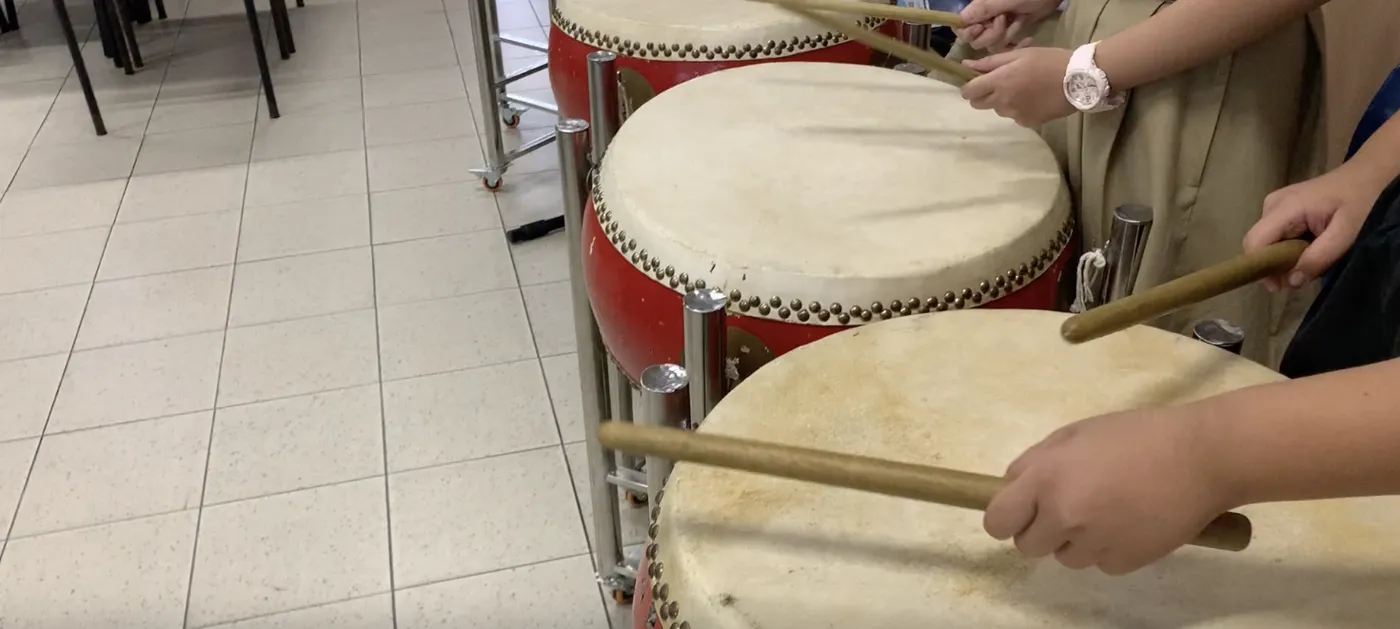
Dismissal is at 1:30 each day. In Singapore, students spend their afternoons in Co-Curricular Activities (CCAs) in four general areas: physical sports, clubs and societies, visual and performing arts, and uniformed groups like the Singapore Scouts Association and the National Police Cadet Corps. YNPS P3–P6 students can choose from 14 activities, including table tennis, Malay dance, and E-nnovation club.
The school calendar in Singapore begins in January; I joined the Yu Neng community in the third week of school. One afternoon that week was the CCA Open House, during which each CCA staged presentations all around the school to "recruit" new P3 students.
The faculty and staff have made me feel extremely welcome from the moment I started my attachment. The teachers and administrators I've met have treated me to lunch, given me tips on what to do and where to eat around the city, and seem genuinely eager to learn about my areas of expertise and the U.S. school system. I cannot appreciate them enough; the excitement and curiosity is mutual.
The highlight, though, has undoubtedly been the students. As I walk through the halls and into classrooms, I hear "Hi Mista Lah-rents!" hundreds of times a day, easily. Their energy is infectious and their questions are unending. Seriously, kids ask the best questions. Like my students back home, they love Fortnite, fantasy novels, Minecraft, and BTS. They run and jump and break out into dance for no apparent reason. I've been away from schools for a month, and they've quickly reminded me why I love working in them.
Speaking of kid questions, here are a few from my first week:
- Are things expensive in New York?
- Is New York City near the Bermuda Triangle?
- Do Sour Patch Kids taste good?
- Do you know Will Smith?
- Have you ever been to Wal-Mart?
- How do you say "grandma" in Spanish?
😂😂😂
Yu Neng Part II coming soon!
✌🏾