Singapore, 2020 · Part 7 of 13 ·
Chinese New Year 2020
Red everything, a prosperity toss, a family reunion dinner, and Chingay.
👋🏾, I'm back to share a bit about my experience with what is, for most Singaporeans, the most important holiday on the calendar: Chinese New Year. CNY is more season than day, consisting of weeks of festivals, public performances, reunion dinners, all red everything, gift exchanges, and did I mention that everything is red? This lunar year marks the year of the rat, the first in the repeating 12-year cycle of animals that make up the Chinese zodiac.
So how do people celebrate CNY? A few traditions and customs:
- Red is generally considered a lucky color in Chinese culture. Around Chinese New Year, red dominates the landscape: red decorations, red clothing, red advertisements, etc.
- It's customary for people to visit friends and loved ones during this time. On New Year's Eve families typically come together for a large meal to celebrate and wish one another well in the coming year. In the days leading up to CNY, millions of people around the world take to the roads, tracks, and skies to gather with loved ones. It is the largest annual mass migration of people on earth.
- Gift exchanges are quite common as well. Red packets of money, called hóngbāo, are often given by the older and married to the younger and unmarried. When gifting red packets, superstition favors amounts that begin with the number 8 (bā, 八), a homophone for "wealth", while the number 4 (sì, 四) is considered unlucky because it is a homophone of "death".
- Another commonly exchanged gift: oranges, specifically Mandarin oranges, more specifically, a pair of Mandarin oranges. Why? The Chinese word for "orange" sounds similar to the word for "gold", so there you go.
New Year's Eve fell on Friday, January 24. On the 22nd, I attended the staff reunion lunch at Yu Neng Primary School. After a celebratory speech by school leaders, the meal commenced. We started with yúshēng, a salad of raw fish, shredded vegetables, and a variety of spices and sauces. Yúshēng literally translates to "raw fish", but it also sounds like the word for "abundance". Ingredients are added one by one and each has a symbolic meaning associated with wealth, good luck, or eternal youth. Once everything is added, everyone grabs their chopsticks and starts tossing. Each toss is accompanied by a "Lo hei!" ("tossing up good fortune"), with the belief that higher tosses mean better prospects in the year ahead. We followed that up by crafting popiah, a type of fresh spring roll popular in parts of China and Southeast Asia. Ingredients included turnip, carrot, egg, crushed peanuts, plum sauce, and cilantro.
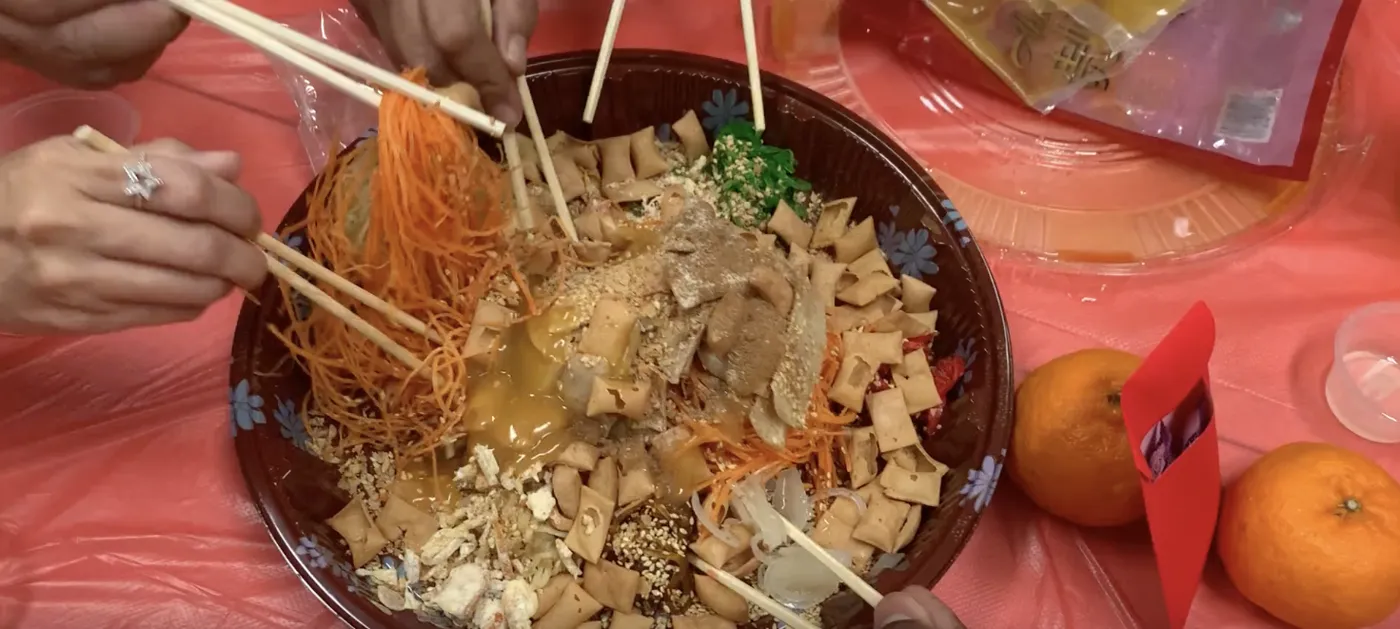
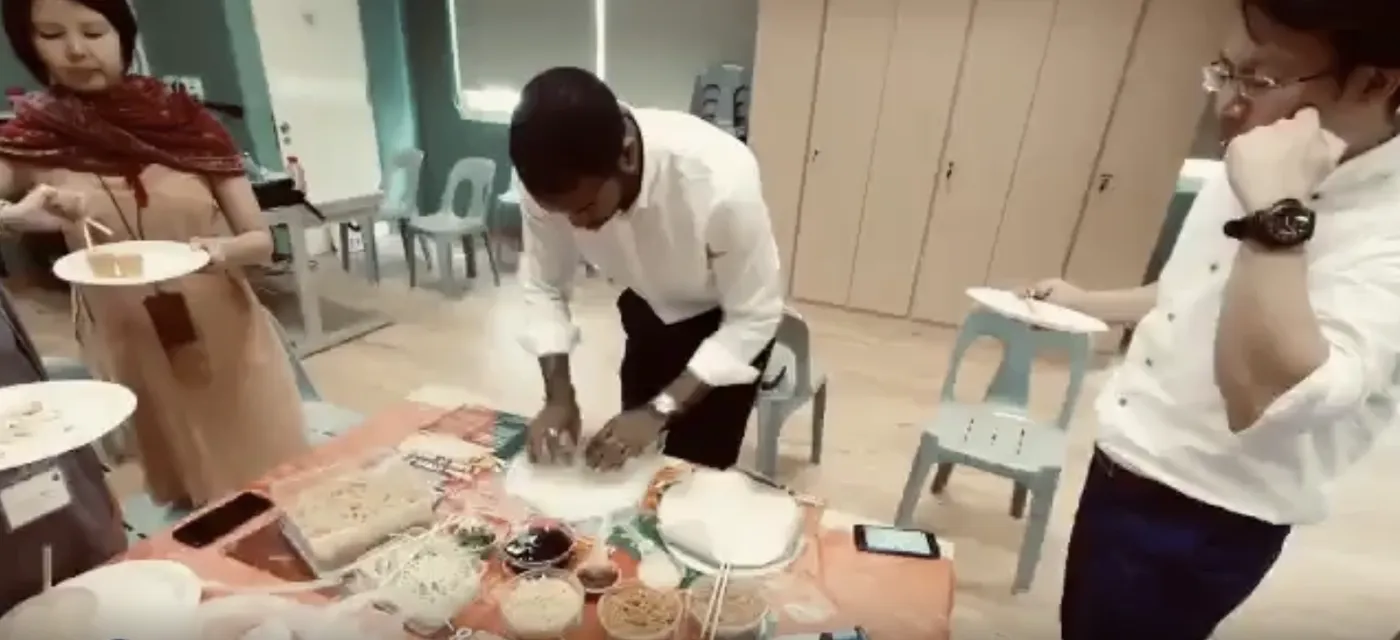
On New Year's Eve morning, Yu Neng held a morning assembly, complete with a traditional lion dance performance and an orange-peeling competition. School dismissed at 10 am, after which everyone left to presumably clean their homes from top to bottom.
Later that evening I headed to the home of an MOE officer who was kind enough to invite my Fulbright buddy Jenn and me to her family's reunion dinner. This was a "steamboat" setup, with a number of meat and fish dishes, dumplings, leafy greens, and noodles simmered in a communal hot pot. This was an excellent meal in a month of excellent meals.
After dinner I headed out to Chinatown solo to take in the scene as the clock struck midnight. I wandered through markets with dried meats, fruits, nuts, and other snacks being sold on the street. As the night wore on, vendors, eager to unload their inventory, slashed their prices dramatically; the people, eager for a bargain, came out in droves.
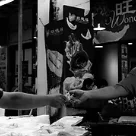
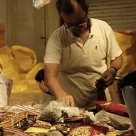
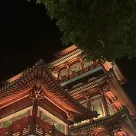

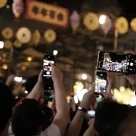
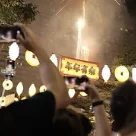
The official Chinese New Year Countdown Party was held along New Bridge Road, a major artery running through the Central Area of Singapore. It was everything one would expect from such an event: hosts in shimmering outfits, musical performances, and fireworks.
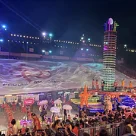
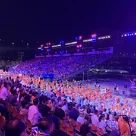
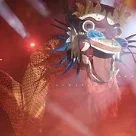
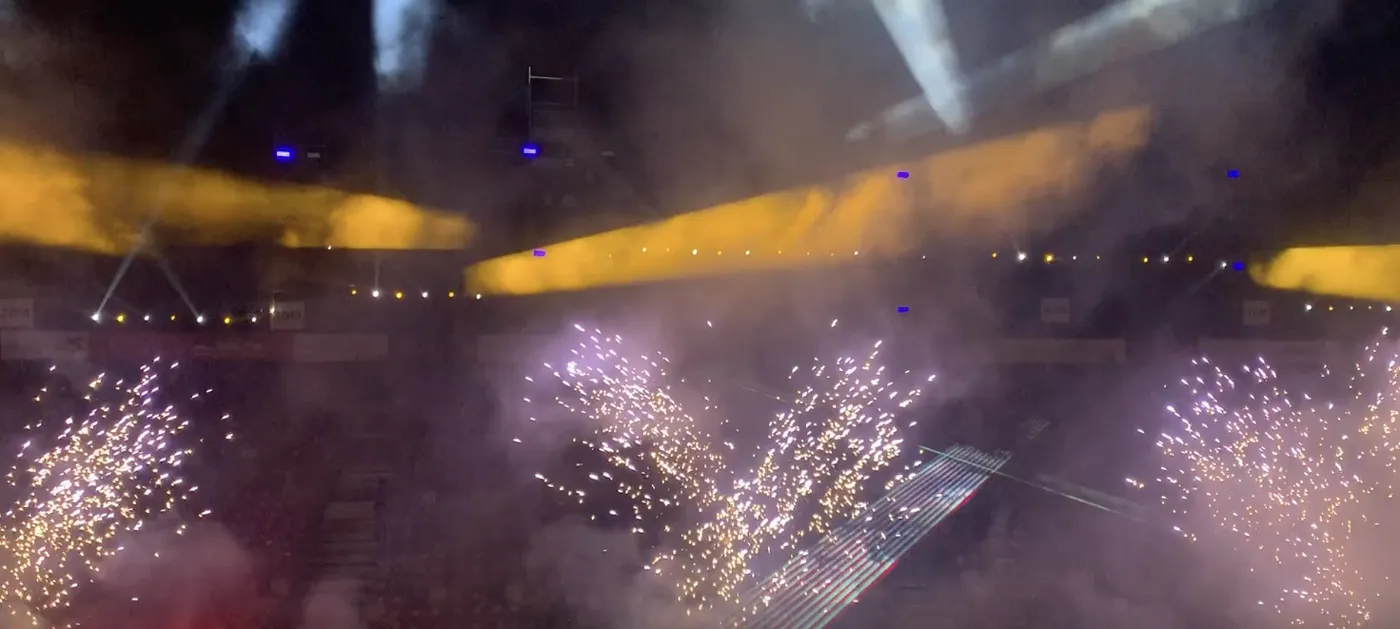
The following weekend, Jenn and I were given free tickets to Chingay 2020. Chingay is an annual street parade held in Singapore (and Malaysia) as part of CNY festivities. Included in the procession were floats and performances sponsored by community organizations from Singapore, Thailand, Malaysia, Indonesia, and more. The theme this year was "Colors in Harmony", and as you can see below, there were many.
Next up, an update from Yu Neng Primary.
✌🏾