Singapore, 2020 · Part 10 of 13 ·
Temasek Primary School, Part I
A rubber duck, a slime debate, a friendly dragon, and my first batik.
- Medium-sized human, aged 10: Good morning.
- Me: Good morning!
- 10: Are you the teacher from the US?
- Me: Yes, I am.
- 10: (looks me up and down, eyebrow raise) I thought everyone from the US is fat.
- Me: (double eyebrow raise) Oh… well… not… everyone.
- 10: …
- (Bell rings.)
- 10: (Runs off.)
- Me: 🙃
I've always loved first days of school.
After five weeks of learning from and with the wonderful community at Yu Neng Primary School, I said my goodbyes and prepared to begin anew at my second of three school placements: Temasek Primary School. Reeja and I arrived on a Monday morning for an introductory meeting and tour. We were greeted first by Martin and Siok Hoon, math teacher leaders and my primary contacts during my attachment. They led us to a conference room, where Principal Alison Ho and select staff awaited. The walls of the room were covered with award plaques and newspaper clippings chronicling the school's many achievements. Over the next hour, the presentation covered TMPS's history, academic program, and school-wide priorities. A short Q&A followed. After a quick visit to my new workspace, I was led on a tour of the grounds. When that ended, I rushed off to attend a class at NIE. My attachment would begin in full the following day.
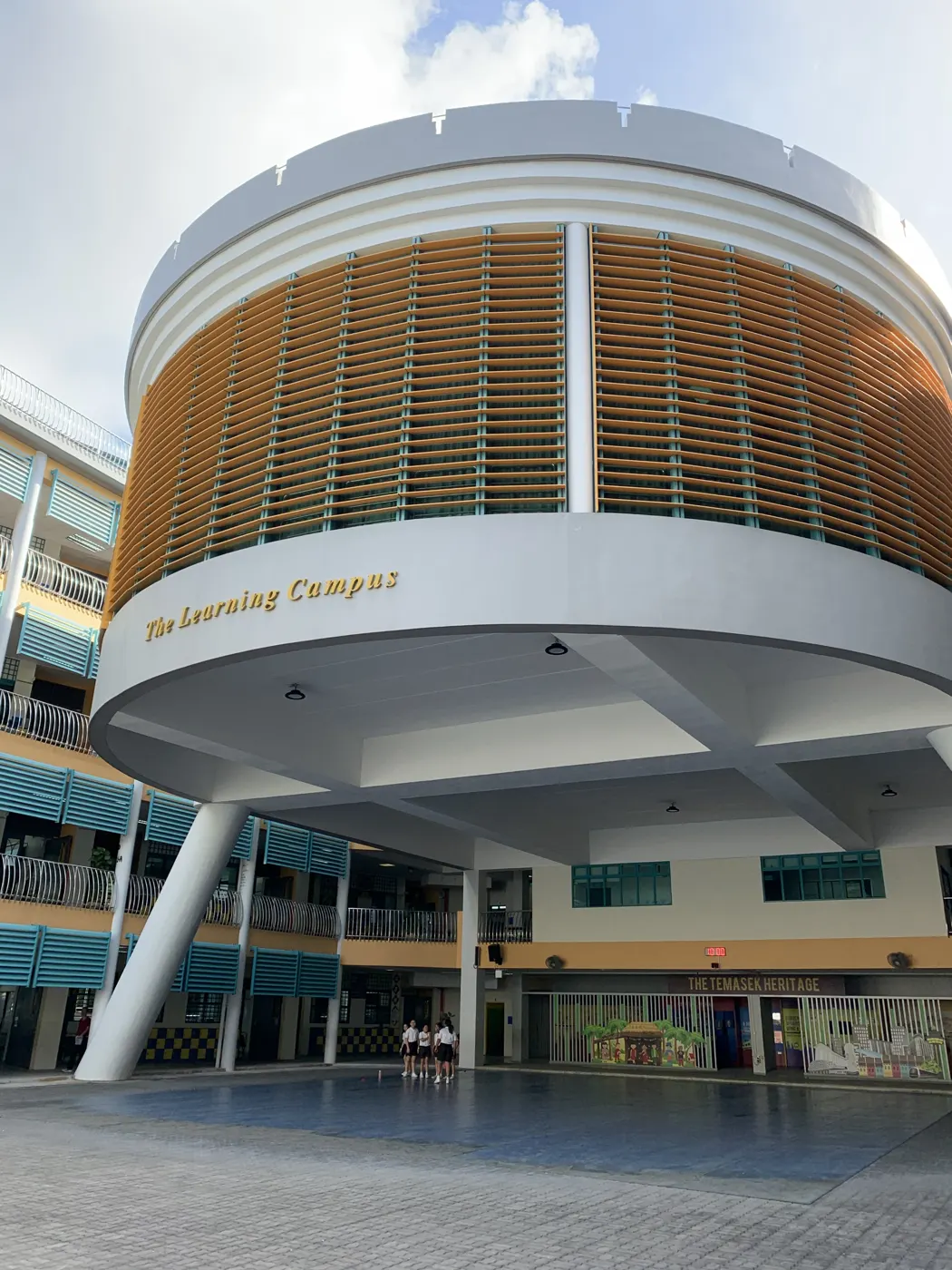
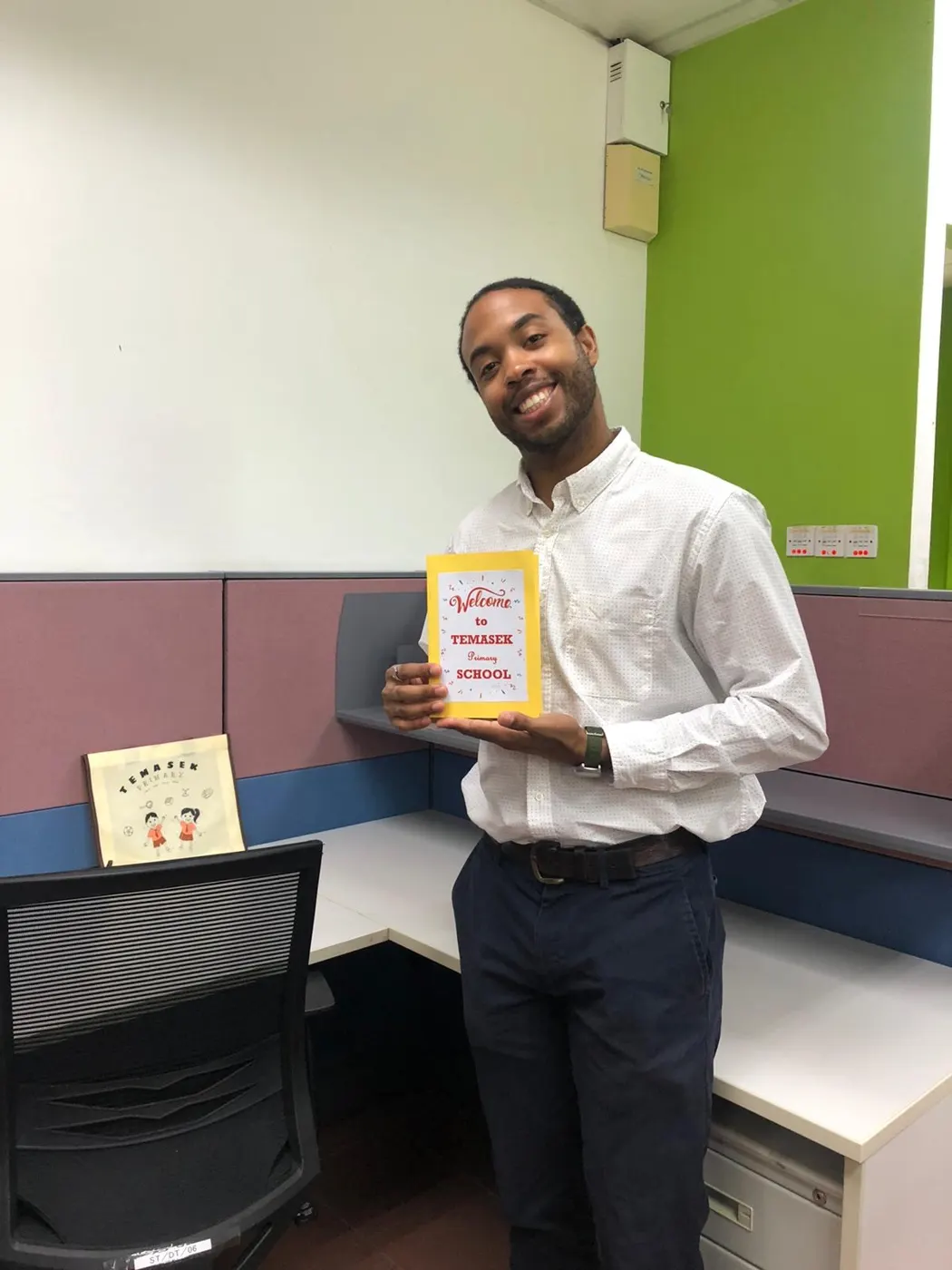
Founded in 1980, Temasek Primary pays homage to one of Singapore's many historical names. Fourteenth-century Malay and Javanese literature refers to the island now known as Singapore as "Temasik". Today, the name graces schools, corporations, and national honors. In recent years, Temasek Primary School and its staff have won national awards recognizing organizational and individual excellence. Its students consistently score above the national average on the Primary School Leaving Examination (PSLE), making TMPS a highly sought-after option for families.
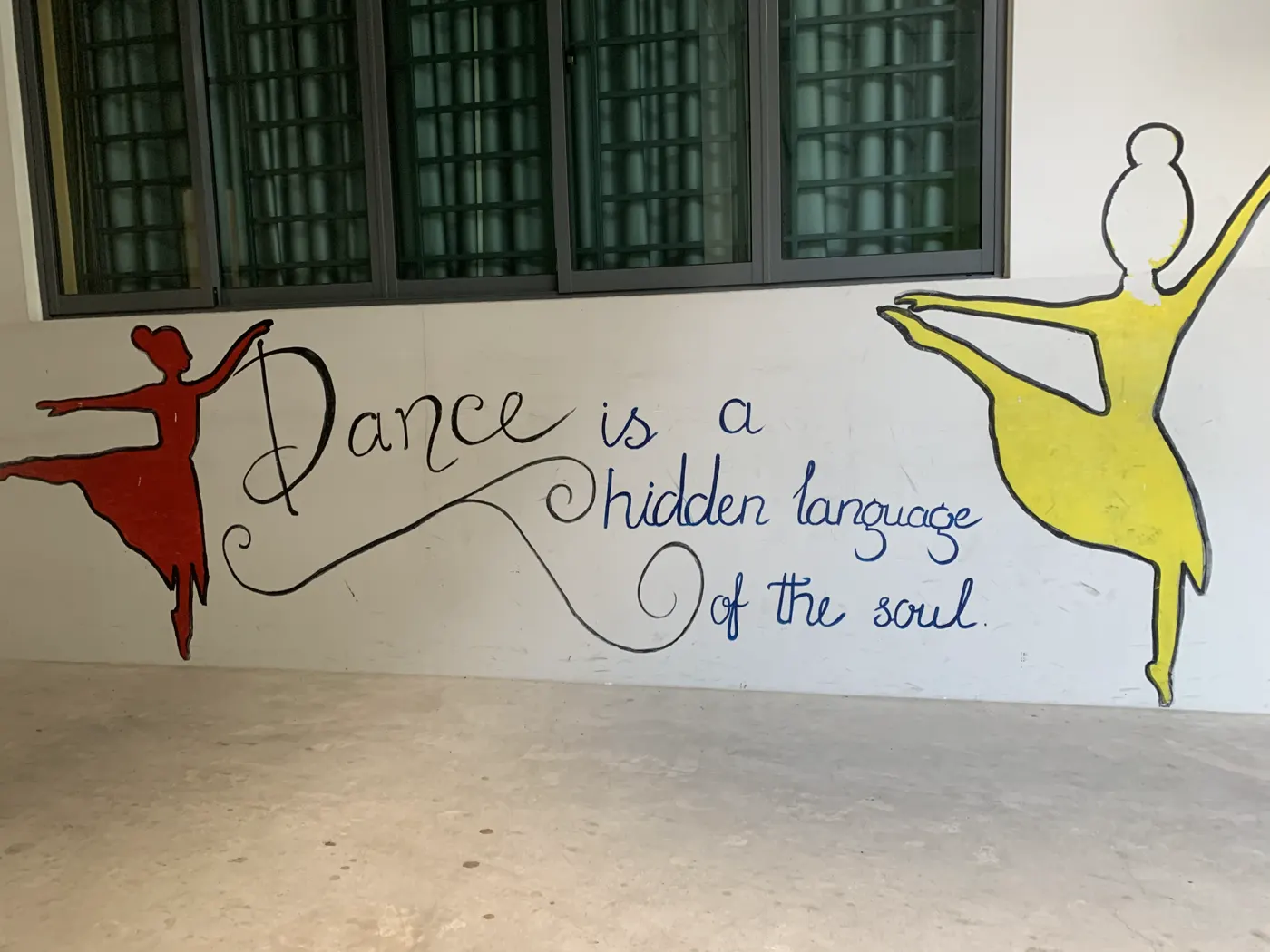
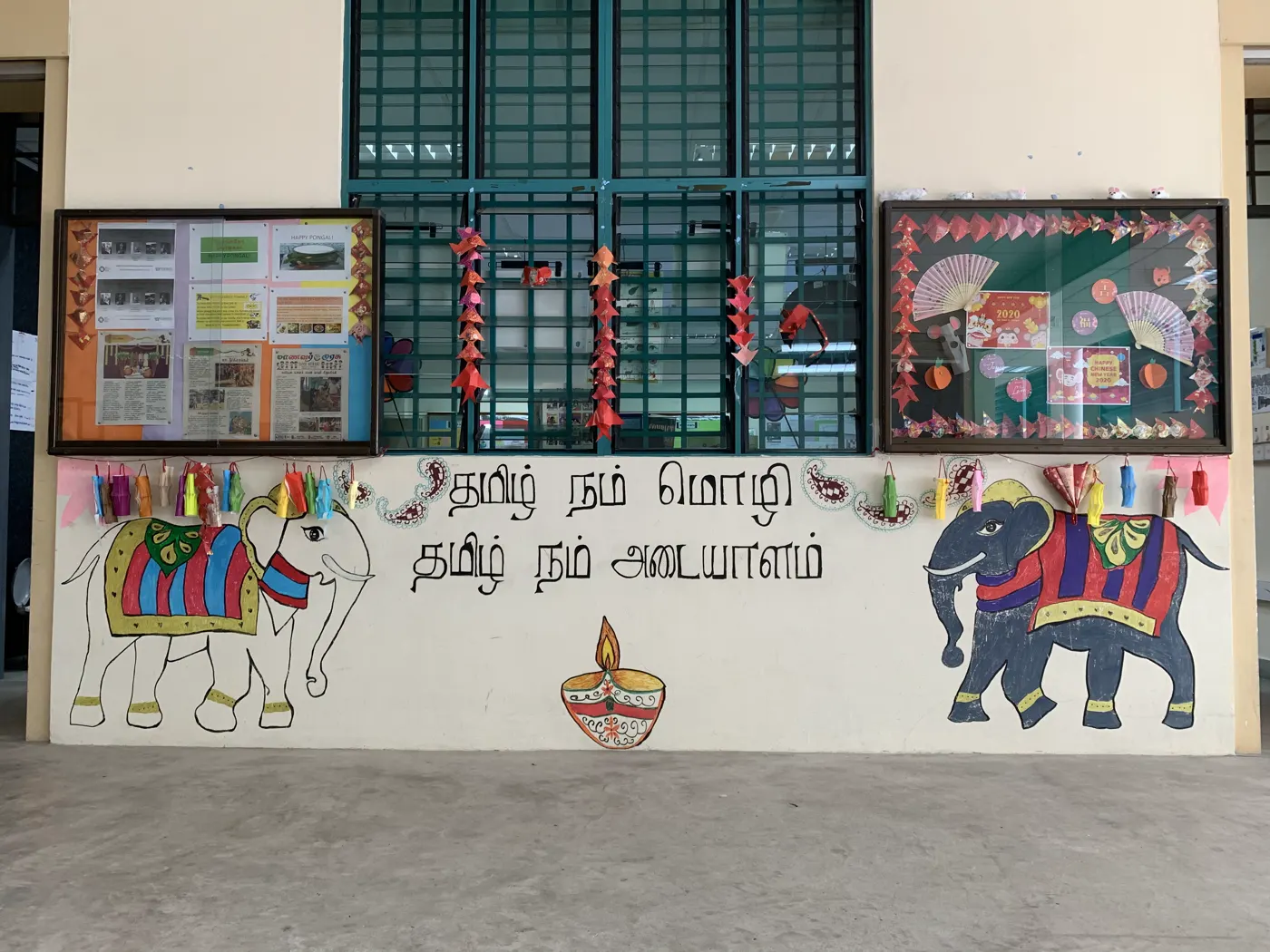
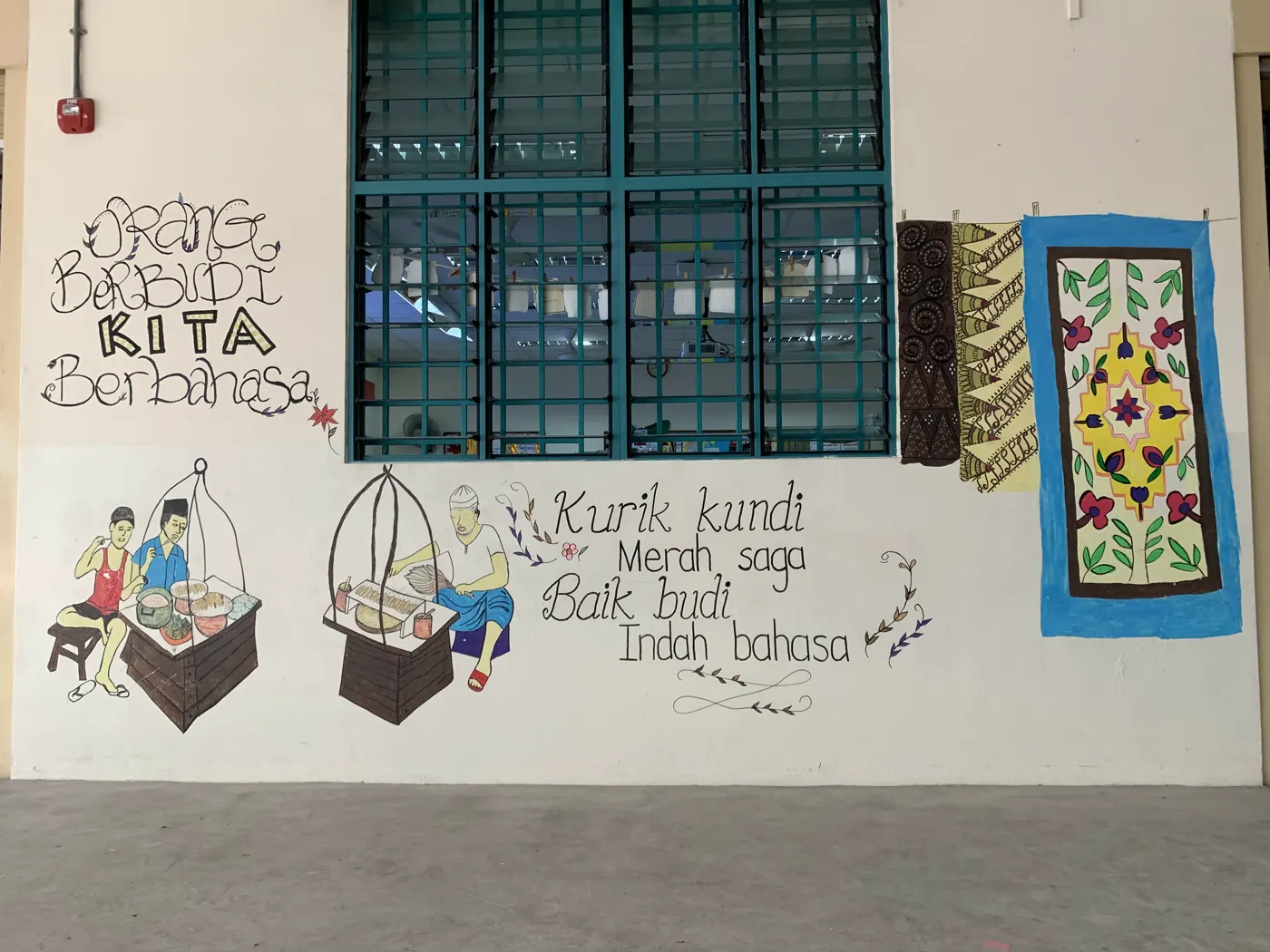
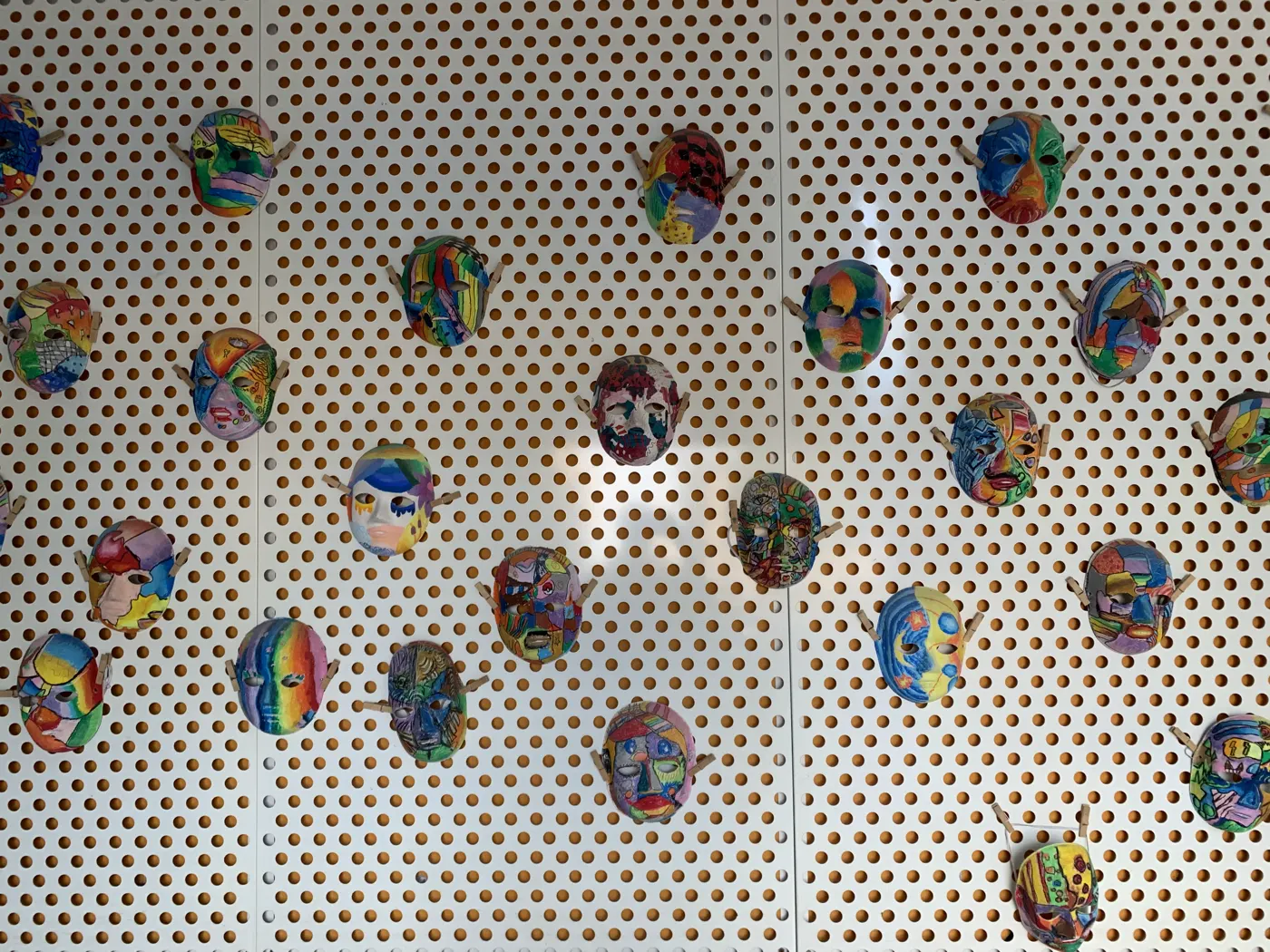
TMPS's physical layout shares many stylistic similarities with Yu Neng Primary and, I presume, other government primary schools across the country. The campus includes four stories of classrooms and special teaching areas (music, art, computer labs, etc.), sports areas, a large multipurpose hall, and administrative offices. Open corridors overlook a massive courtyard. Artwork and inspirational quotes give the spaces a human touch.
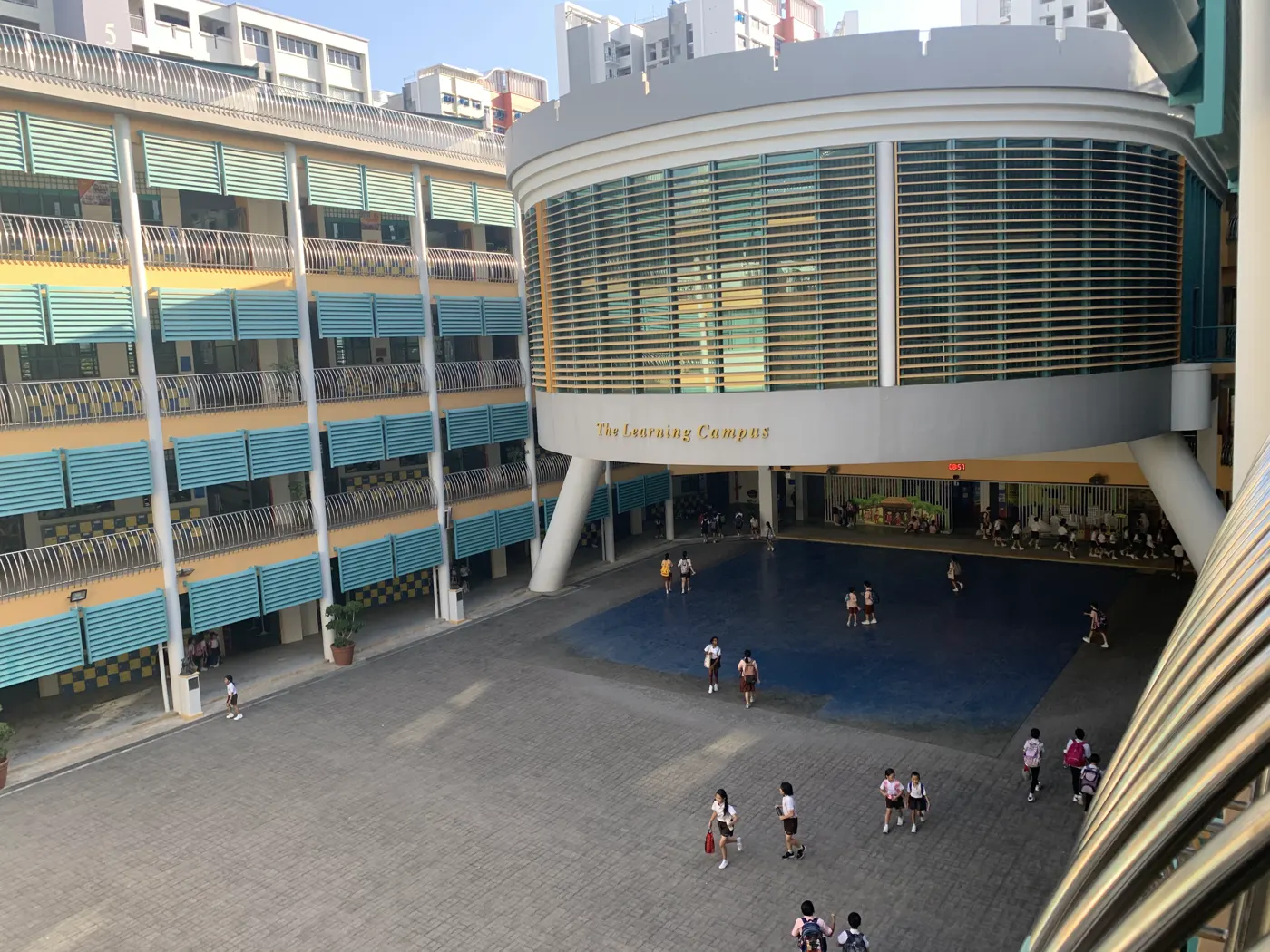
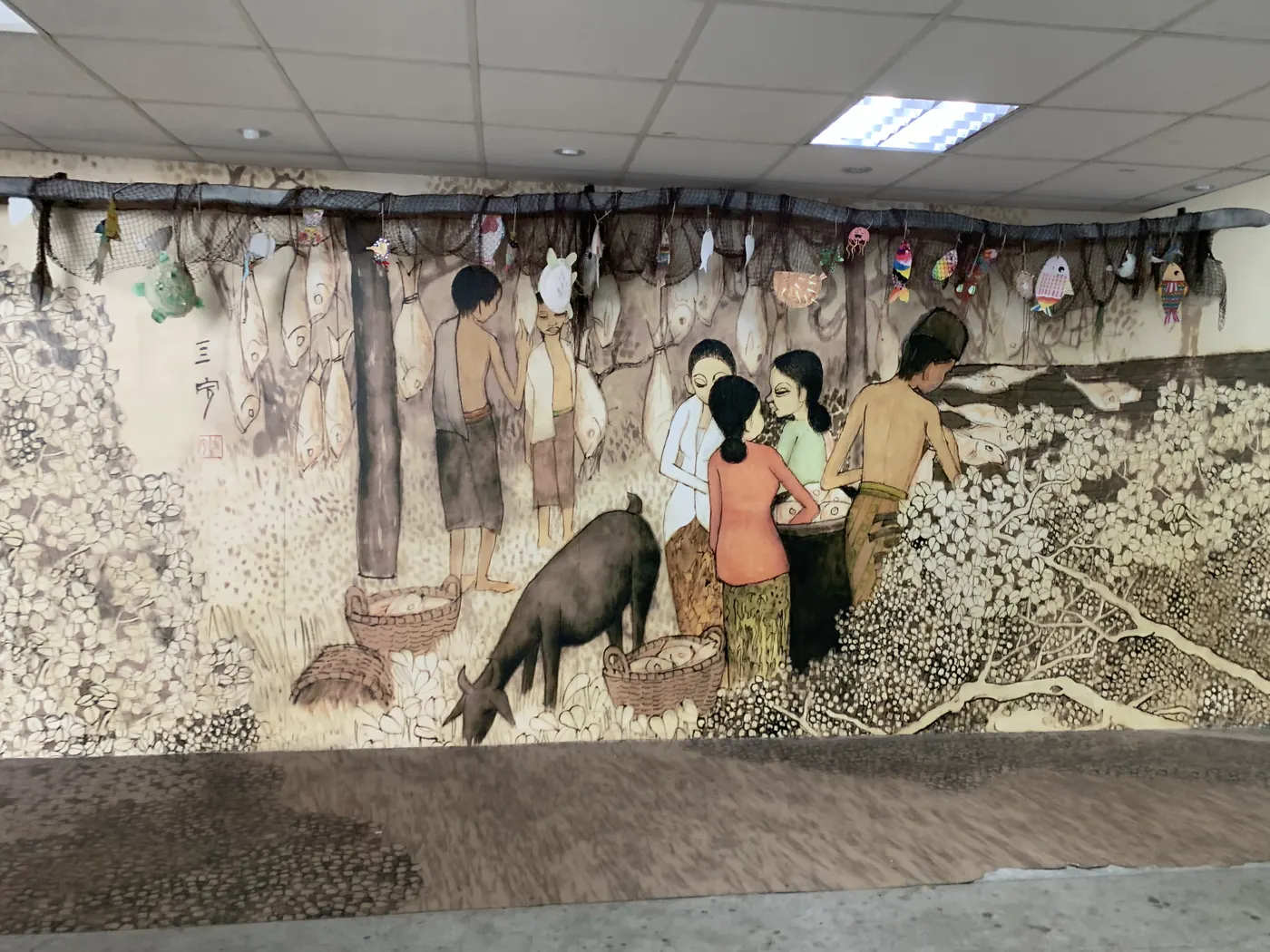
The schedule for my first two weeks at TMPS consisted of full days of lesson observations and meetings. To support my inquiry project, I asked to observe collaborative learning in math, science, and Programme for Active Learning (PAL) lessons. I was able to see all those things and more. Many thanks to Siok Hoon, who has been an attentive partner throughout my attachment. Here are a few highlights from my walkthroughs:
Science
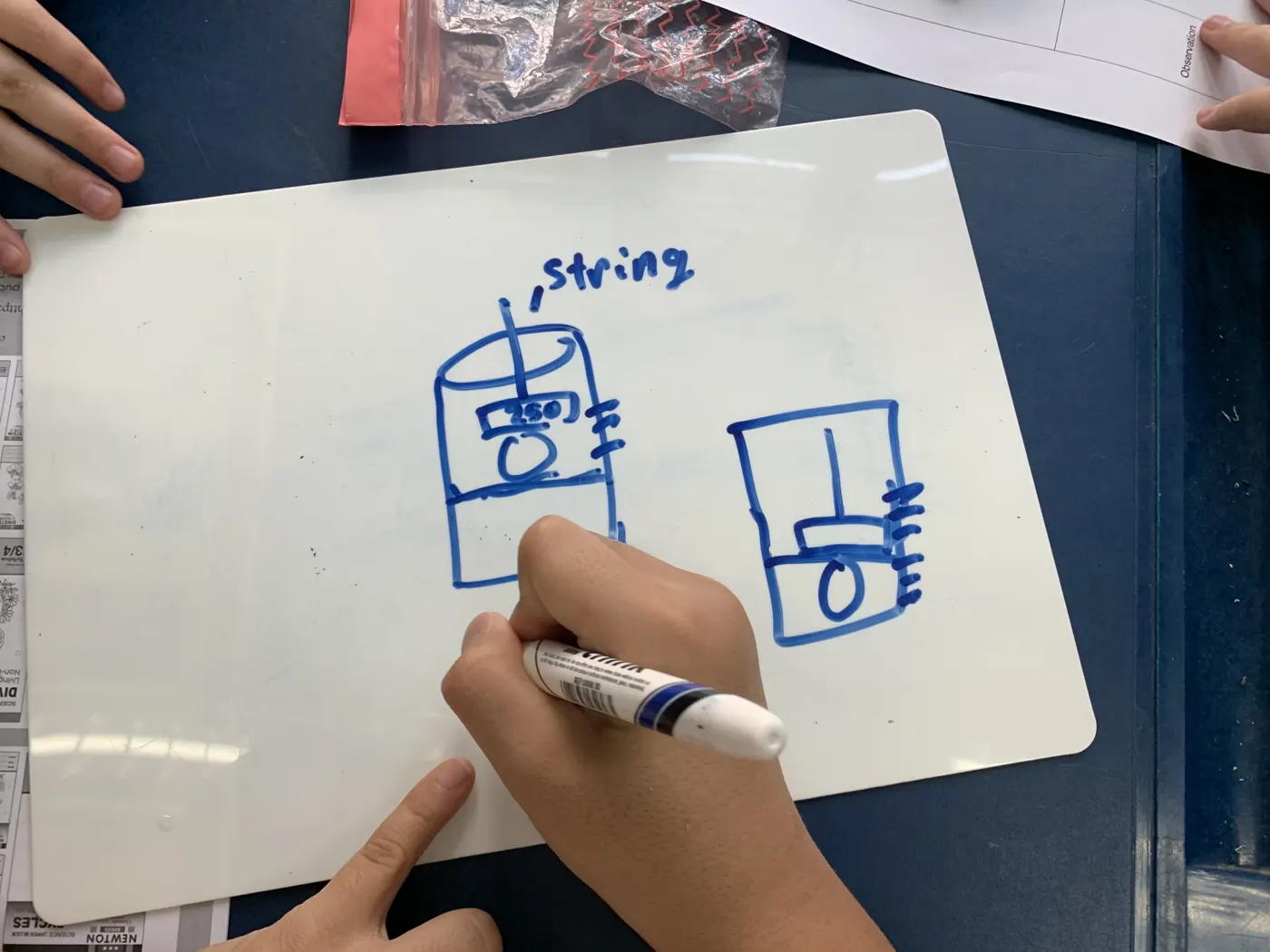
My first lesson observation was a P4 lesson in which students were tasked with designing an experiment to measure the volume of a rubber ducky. They had a number of scientific tools at their disposal, including digital scales, string, 250 g weights, beakers, rulers, and rubber bands. The challenge of the task was in crafting a detailed, systematic procedure for the experiment and in using their understanding of volume to choose the most appropriate tools.
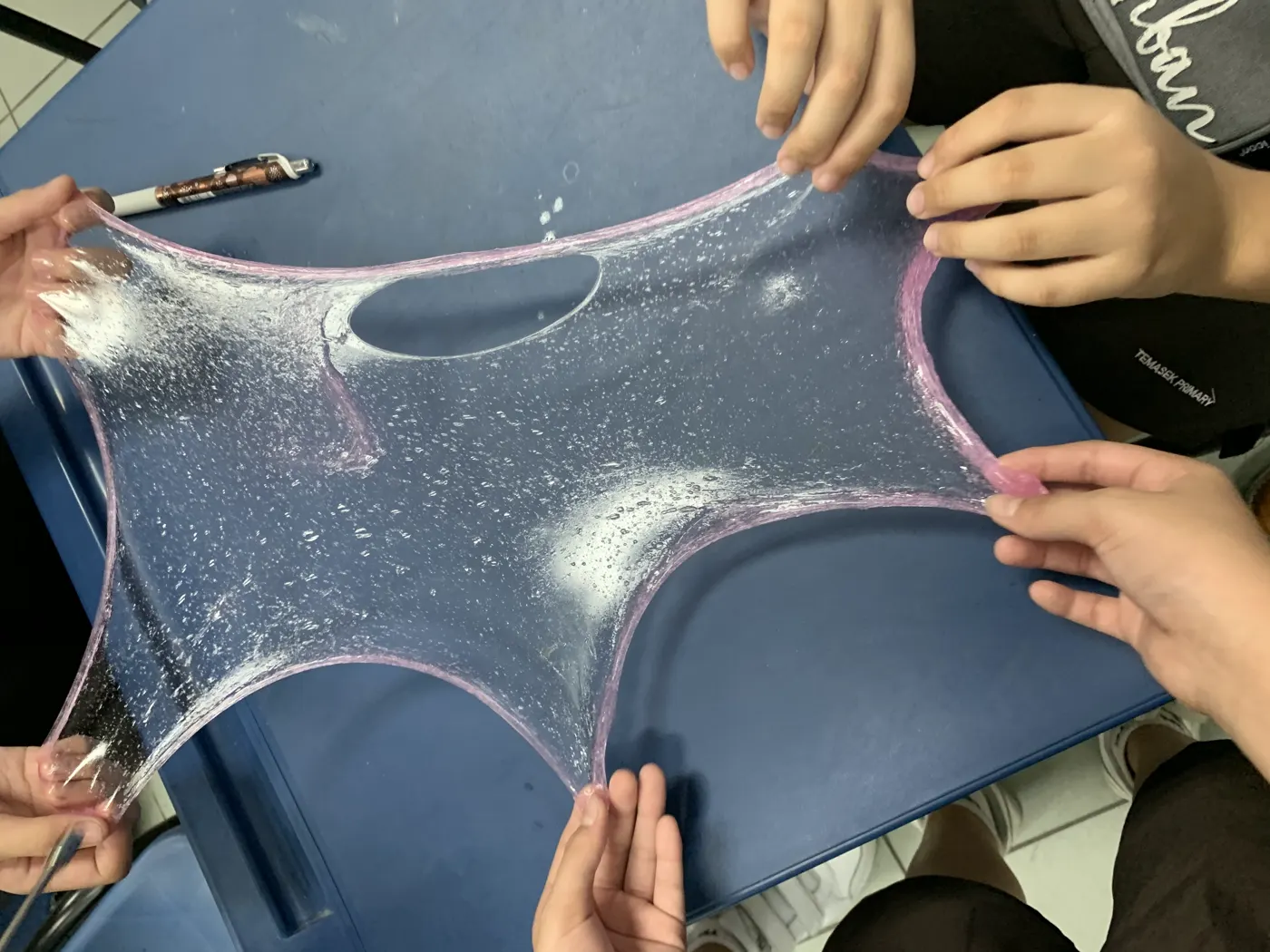
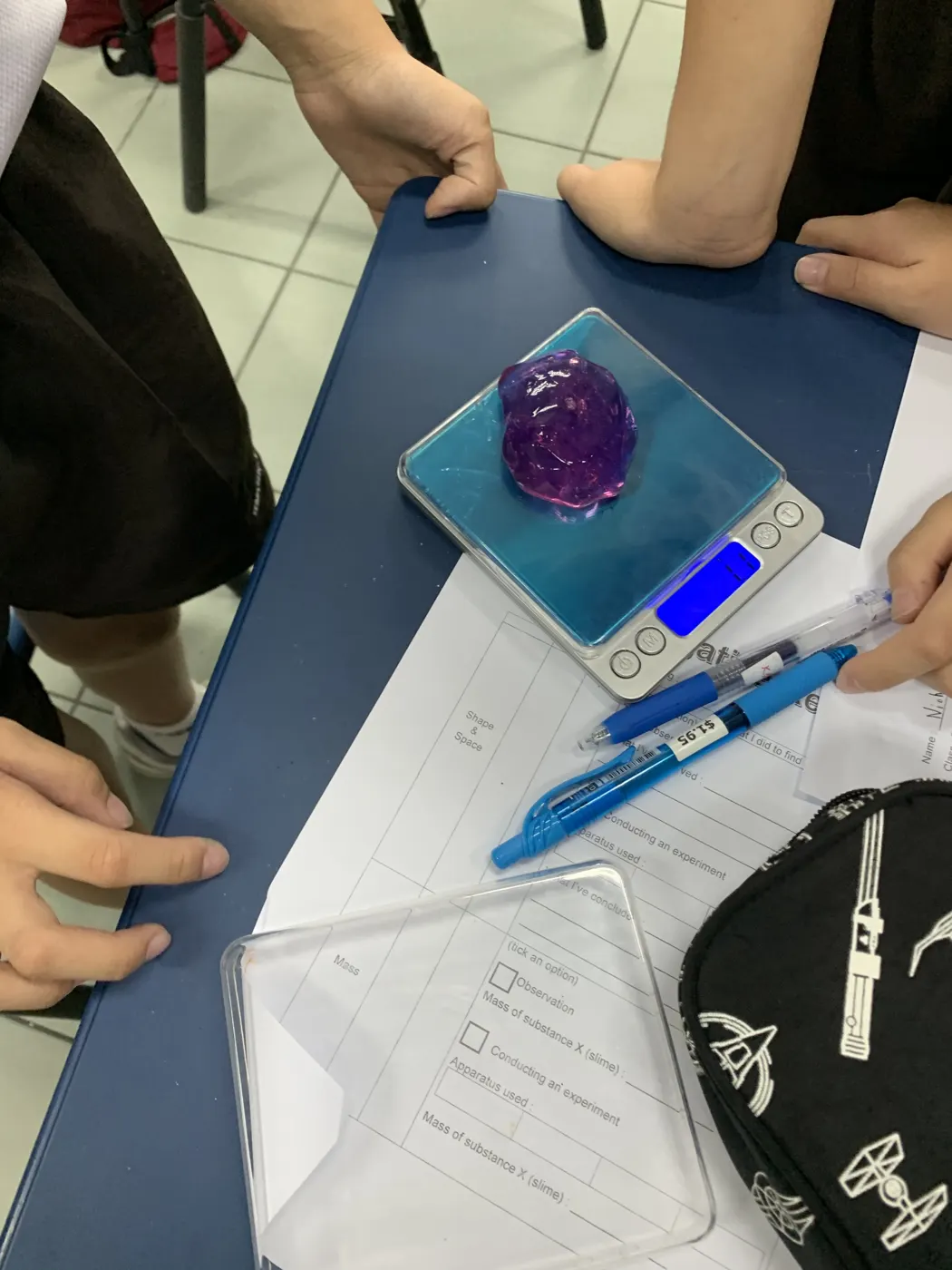
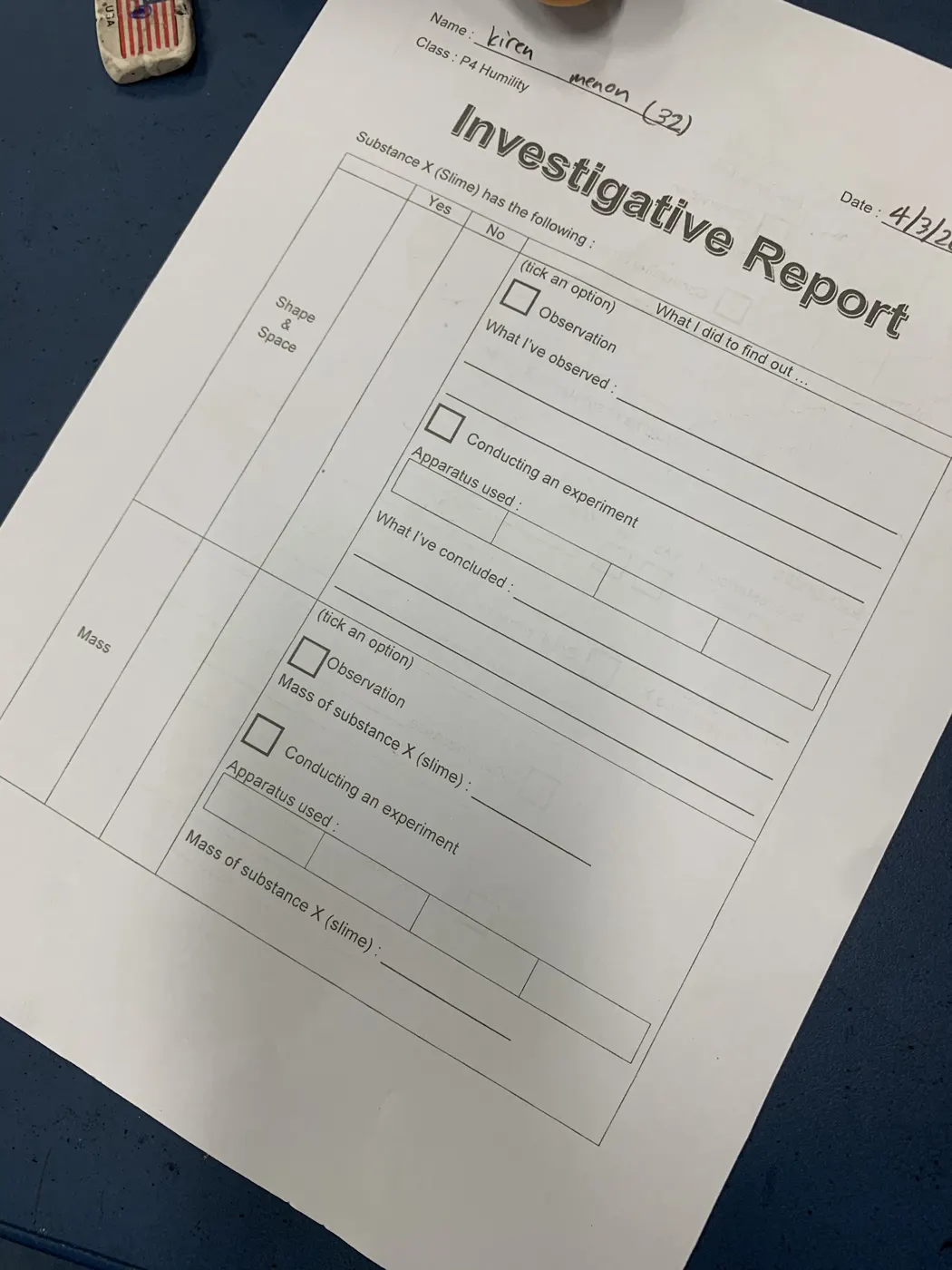
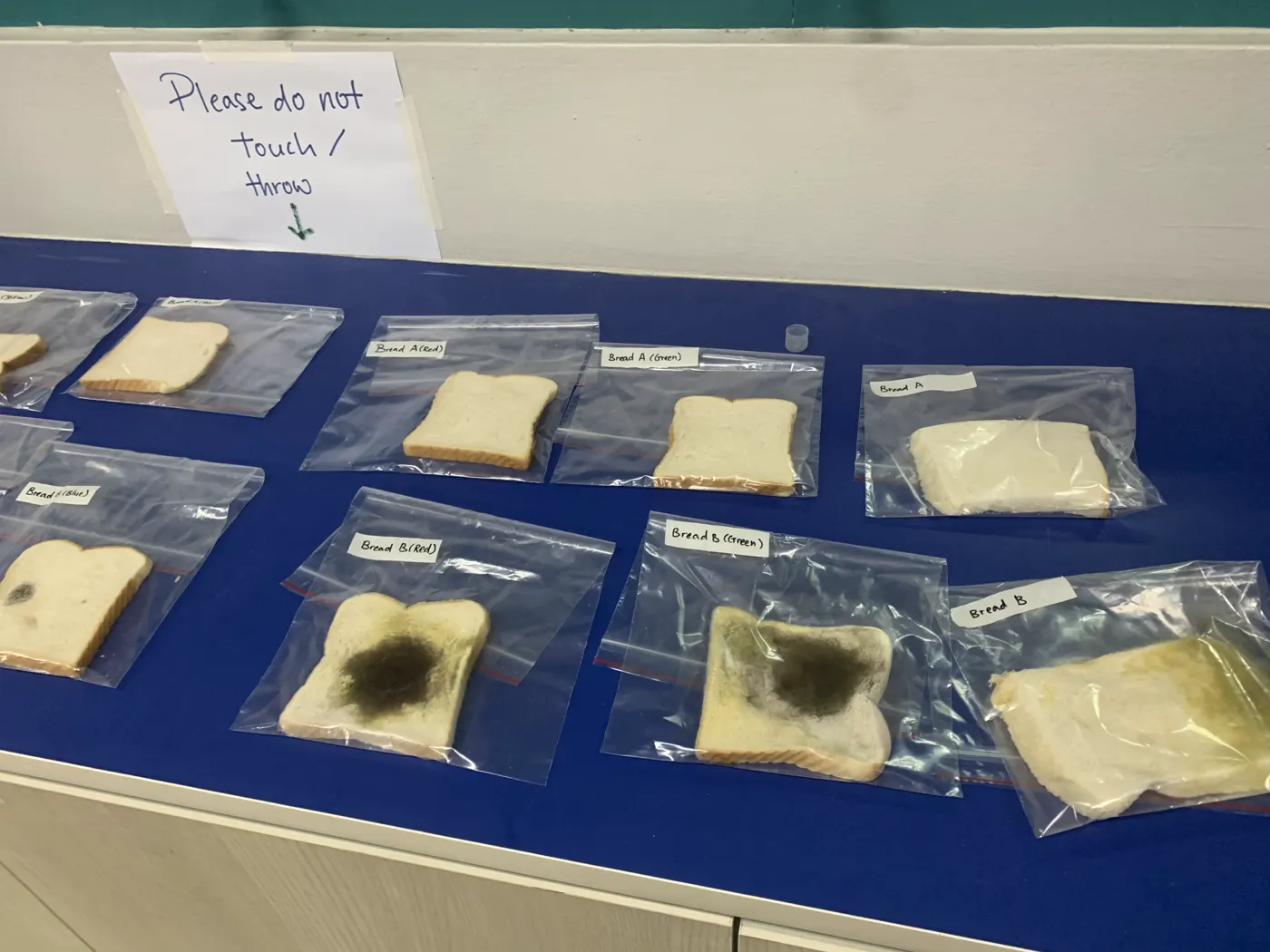
In another P4 lesson, a teacher designed an investigation of states of matter based on a student-generated question: "Is slime a solid or a liquid?" This was probably the best example of student-driven inquiry I've seen in Singapore so far. Students were excited from the start and deeply engaged throughout. Discussion was rich; students worked in groups of four to classify the slime, justifying their conclusions based on the definite or indefinite nature of the substance's shape and volume.
Mathematics
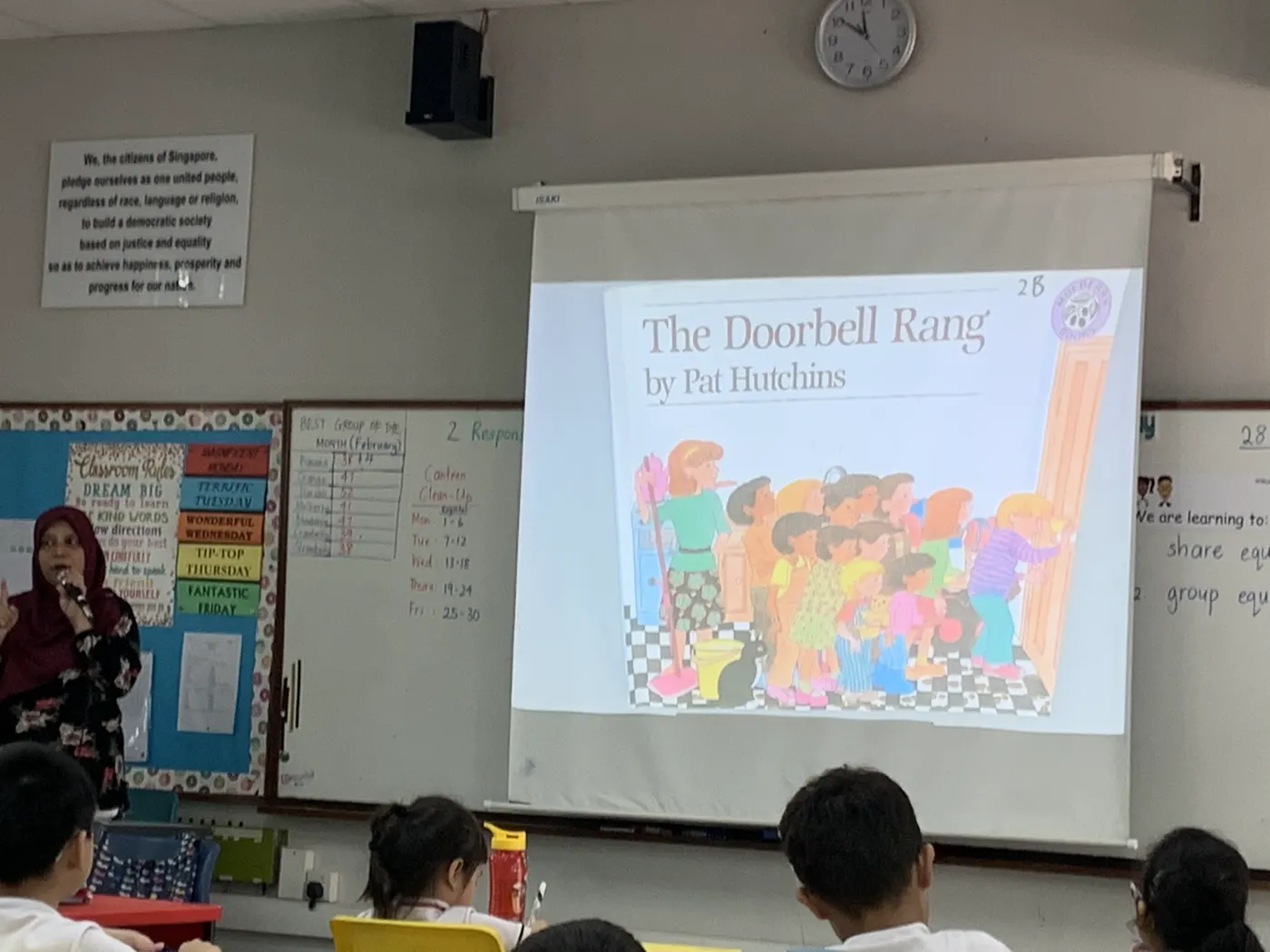
A P2 teacher used a storytelling approach to explore division as equal sharing. In The Doorbell Rang, by Pat Hutchins, a mother makes cookies for her children, who then share them among themselves. But just as they begin to eat, the doorbell rings, more people come, and the sharing continues. I won't ruin the ending for you; check it out sometime, especially if you find yourself tasked with getting a young child to understand division. As the teacher read, students followed along by modeling the sharing process on their personal whiteboards.
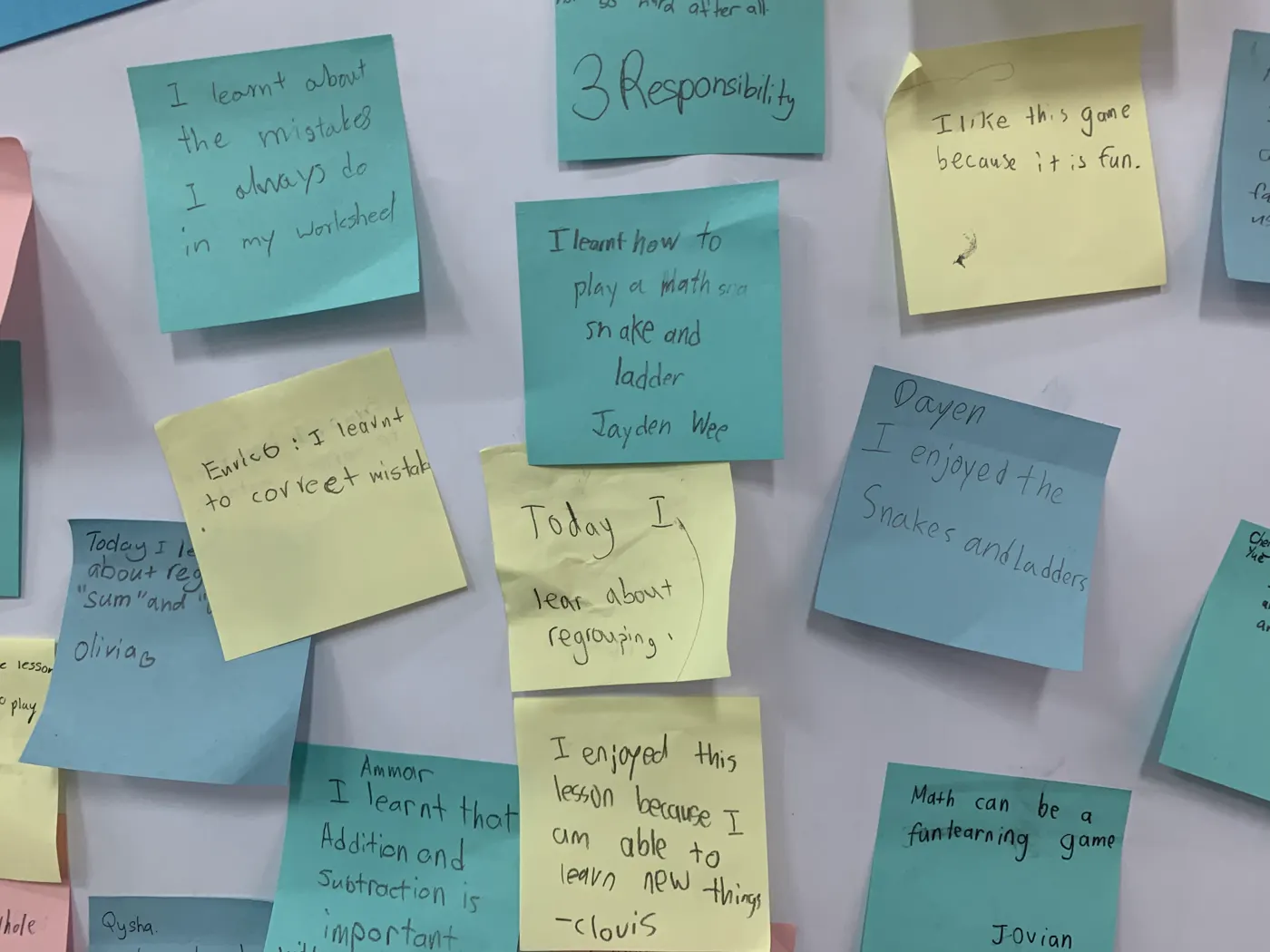
In a P3 lesson, students played snakes and ladders to review previously taught concepts. At the end of the lesson, the teacher had students reflect on their experience by recording their thoughts on sticky notes, which were then posted up front.
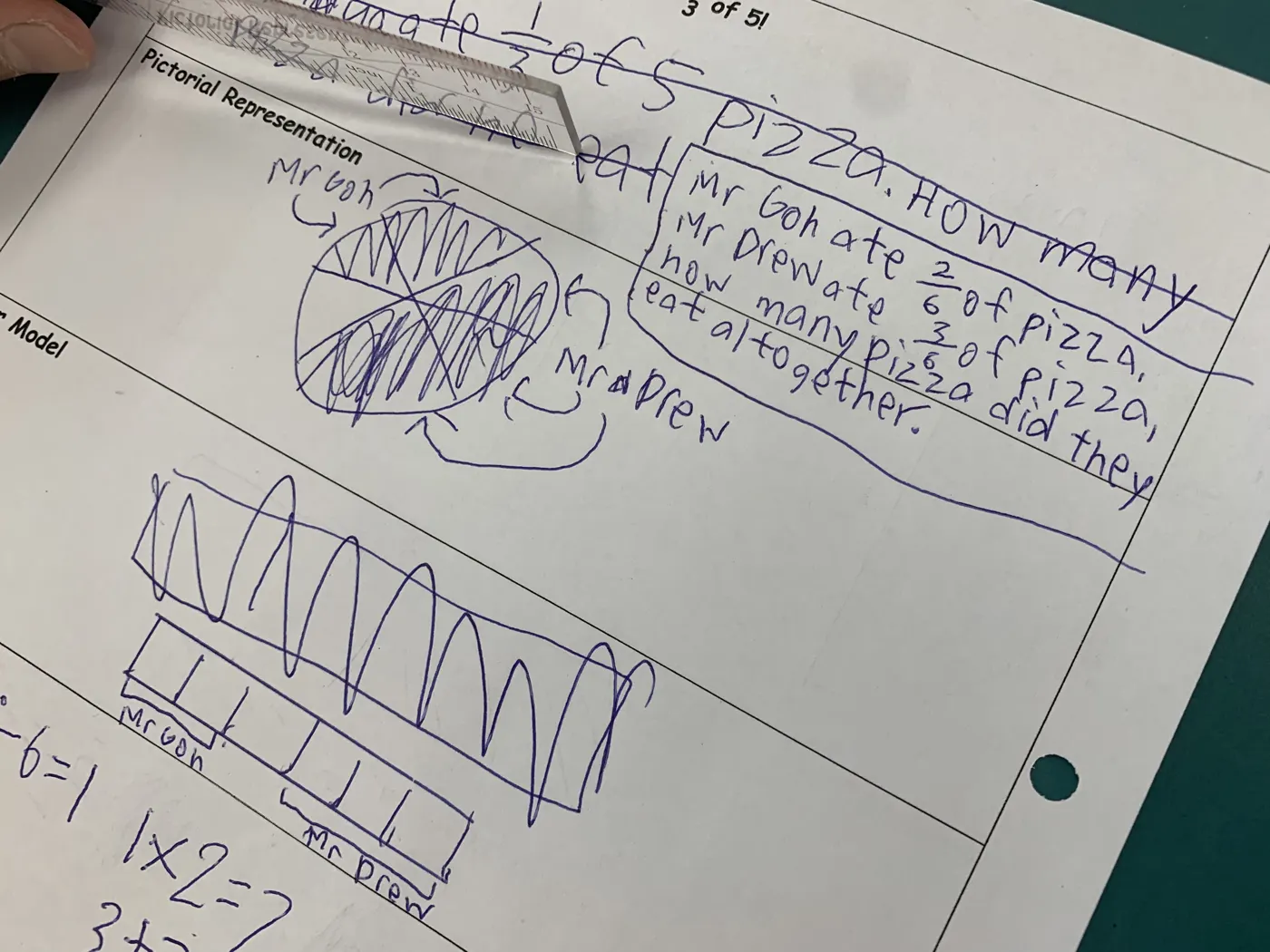
Martin, a P5 teacher, facilitated a discussion in which students shared and linked multiple strategies to solve problems involving the multiplication of a whole number and a fraction. Later in the lesson, students crafted their own word problems based on a given mathematical expression. I even had a cameo in one student's problem 😄.
PAL
In 2009, the Ministry of Education created the Programme for Active Learning to balance the learning of academic and non-academic skills and values. PAL gives Primary 1 and 2 students fun opportunities to develop social-emotional, moral, creative, and physical competencies outside the classroom. Schools can choose from a number of domains, including sports, outdoor education, performing arts, and visual arts. Teachers have the autonomy to design PAL classes within national guidelines and are given funds to make it all happen. Temasek has chosen the performing arts route, specifically a role-play-based approach to teaching social-emotional skills.
Young children are magical thinkers. The PAL room is equipped with drums and tambourines and wizard hats and alligator costumes and toy fish and a rocket ship play tent and anything a young child would need to bring that magic into the physical realm.
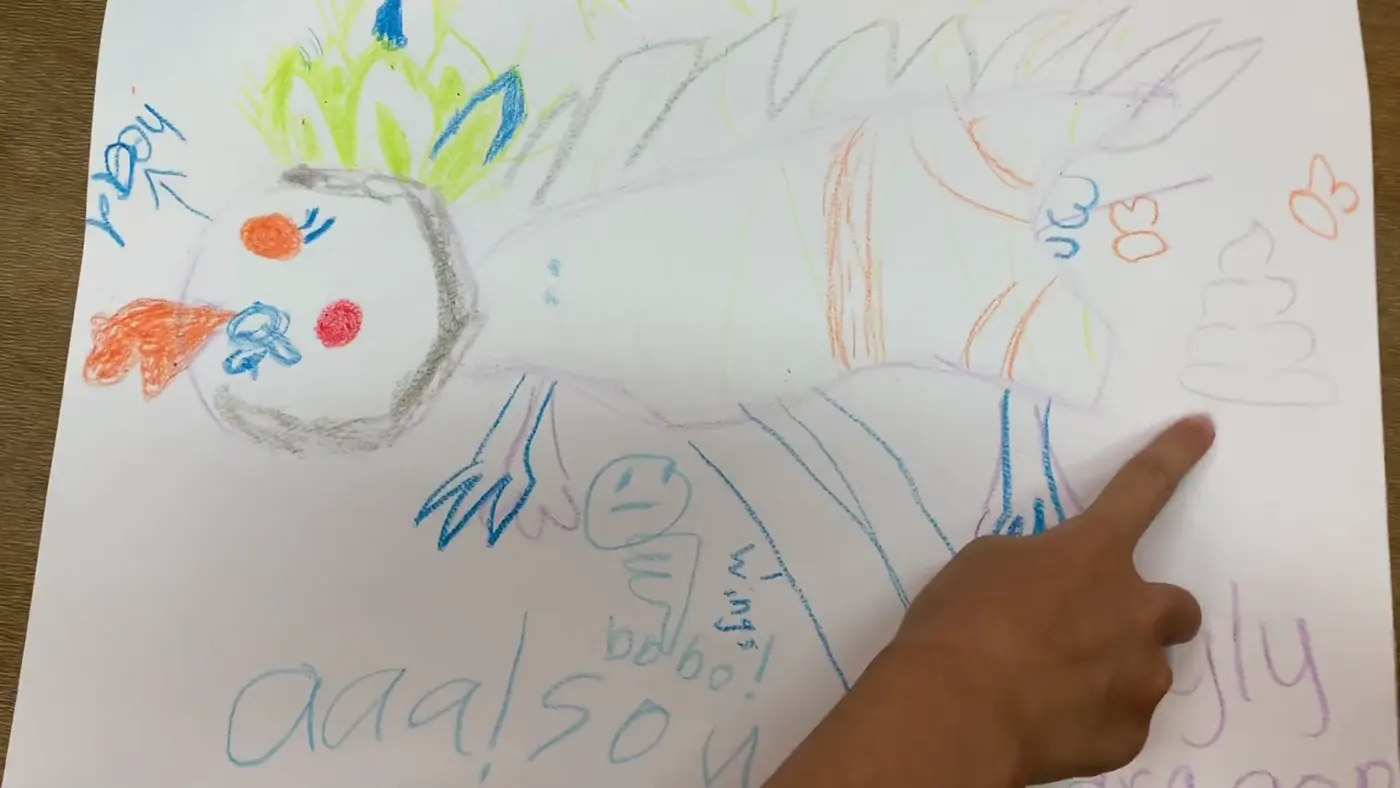
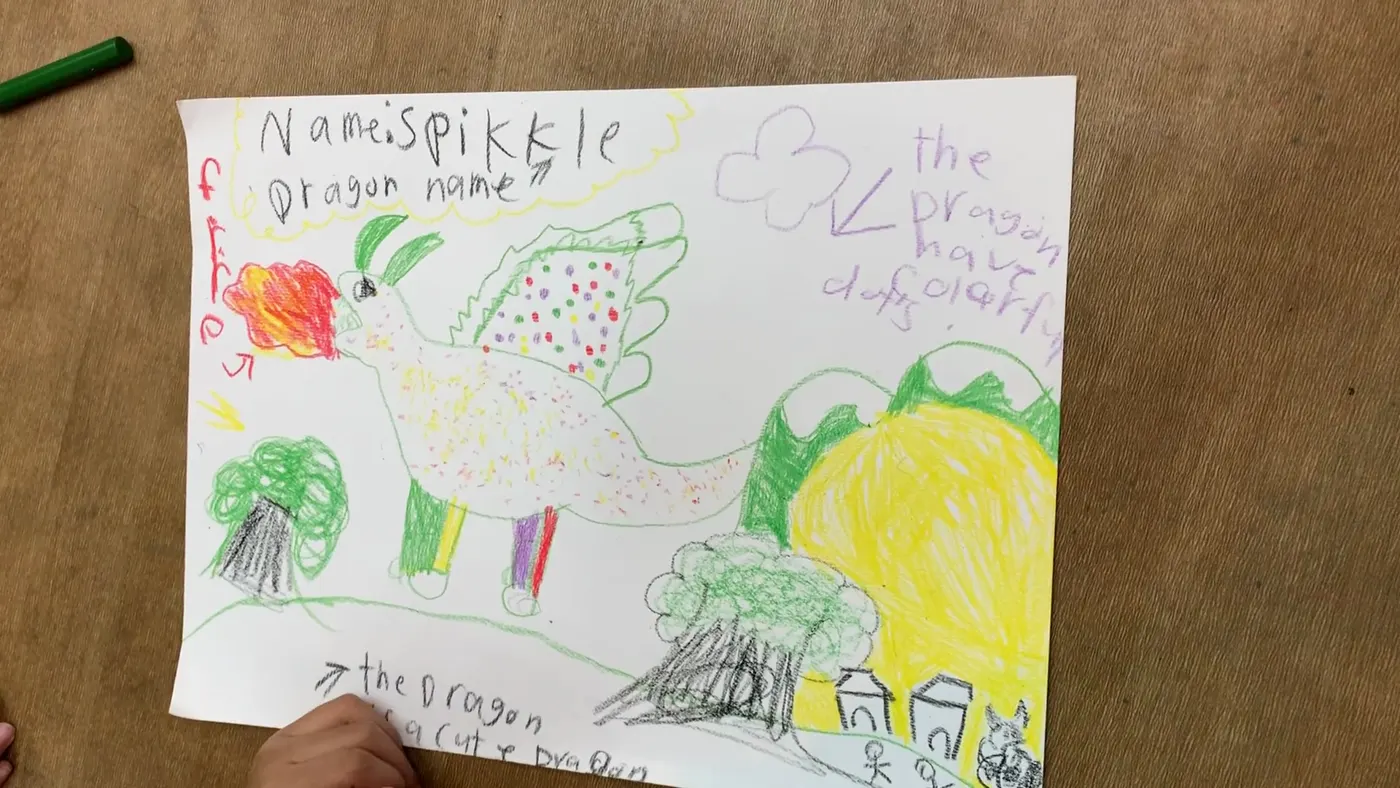
During one lesson, student groups were first asked to use their imaginations to draw a dragon. The children immediately took to this task, because what 8-year-old wouldn't? Most groups conceived of dragons they described as "mean" and "scary". One was deemed so ugly that no other name seemed appropriate. One group's creature pooped fire, while another pooped, well, poop. Another had heterochromia and eyelashes to die for.
After creating and presenting their drawings, student groups began role-playing their interactions with the "dragon". It was during this activity that the assumptions they'd made about the dragon became clear. Soon the children had to confront the revelation that the creature was friendly, more Pete's Dragon than Smaug. This led into a discussion of prejudice, bias, and the harm that can come from them. Mrs. Lee did a masterful job of reinforcing the behaviors of good group members and facilitating group problem-solving discussions when issues arose. The performances were hilarious; you'll have to take my word for it because, ethics. But I can share a few drawings:
If you couldn't tell already, I think PAL is amazing. In this program I see opportunities for deep learning when students come out from behind their desks to get dirty, create, collaborate, and make mistakes. Over the next few weeks I'll be learning as much as I can about the program as I continue my line of inquiry.
Art
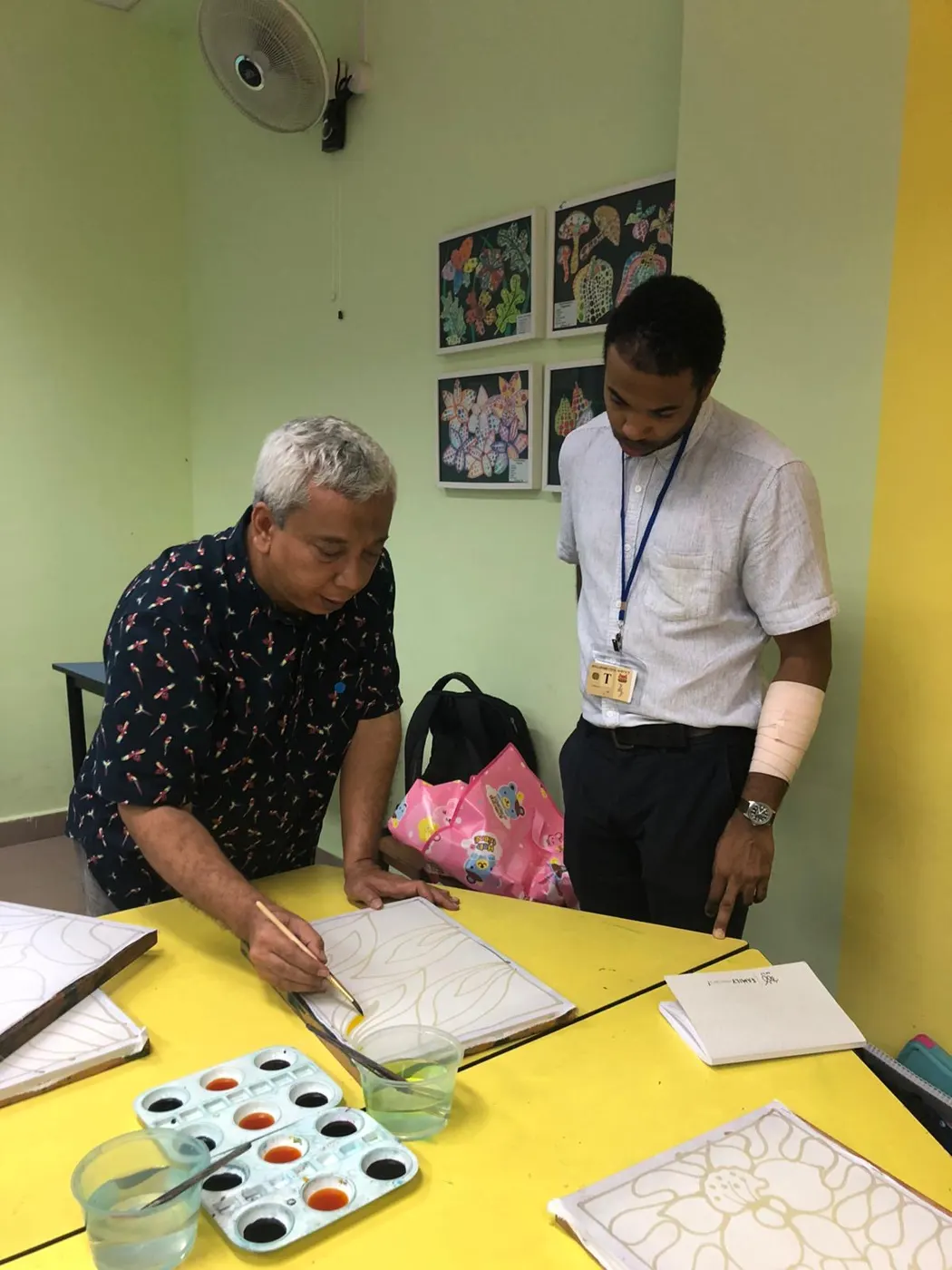
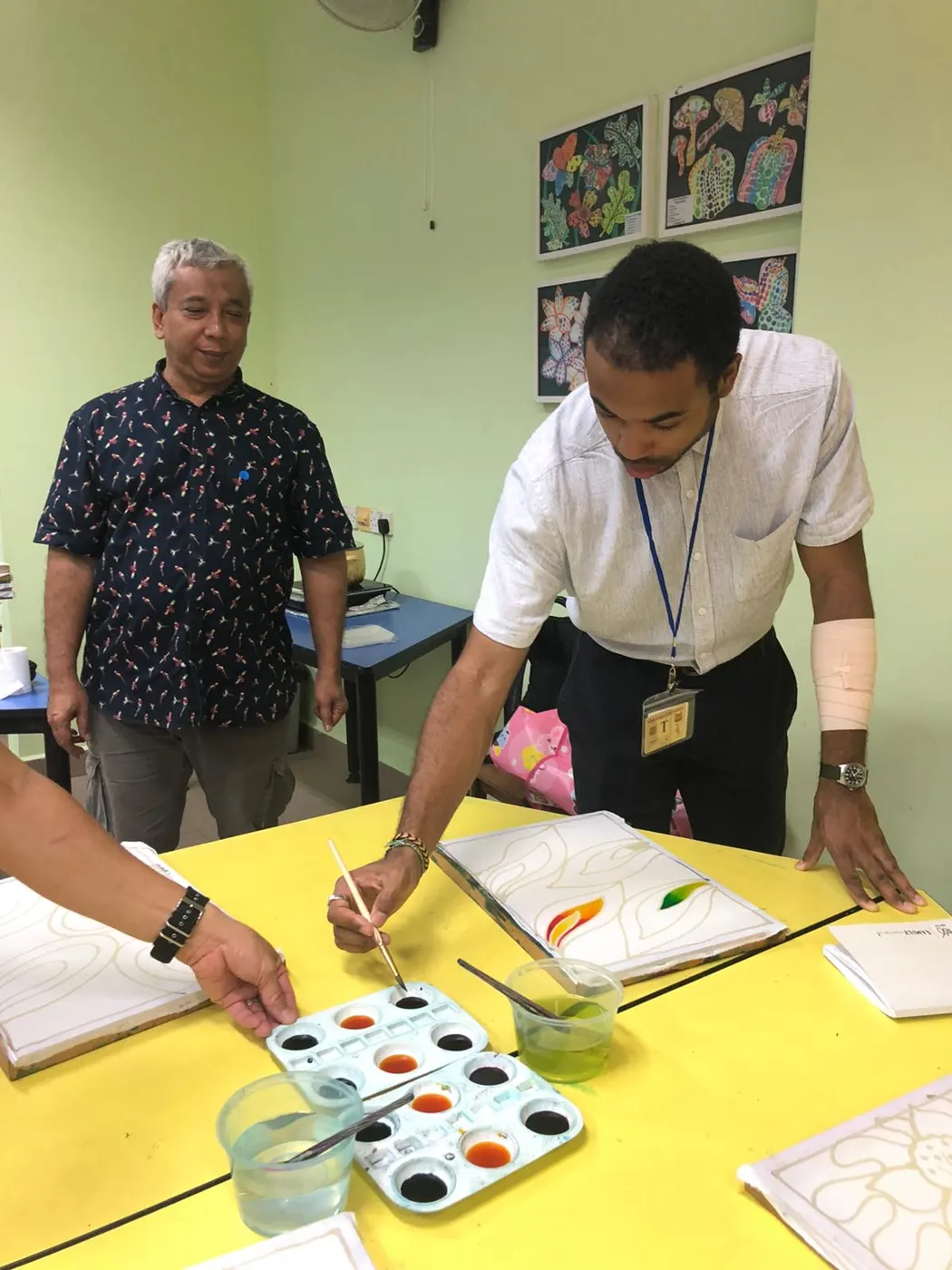
I spent a morning during my second week visiting a number of art classes. Each section was creating pieces to be sold at TMPS's upcoming 40th anniversary celebration. In one class, students were creating batik paintings, an Indonesian art form involving the application of wax-resistant dye to cloth. To create a painting, one first draws patterns of dots and lines in hot wax using a type of stylus called a tjanting. Dye is then applied to the cloth, with the wax maintaining clear boundaries. The art teacher was gracious enough to provide me with materials and a quick tutorial before I joined in on the fun.
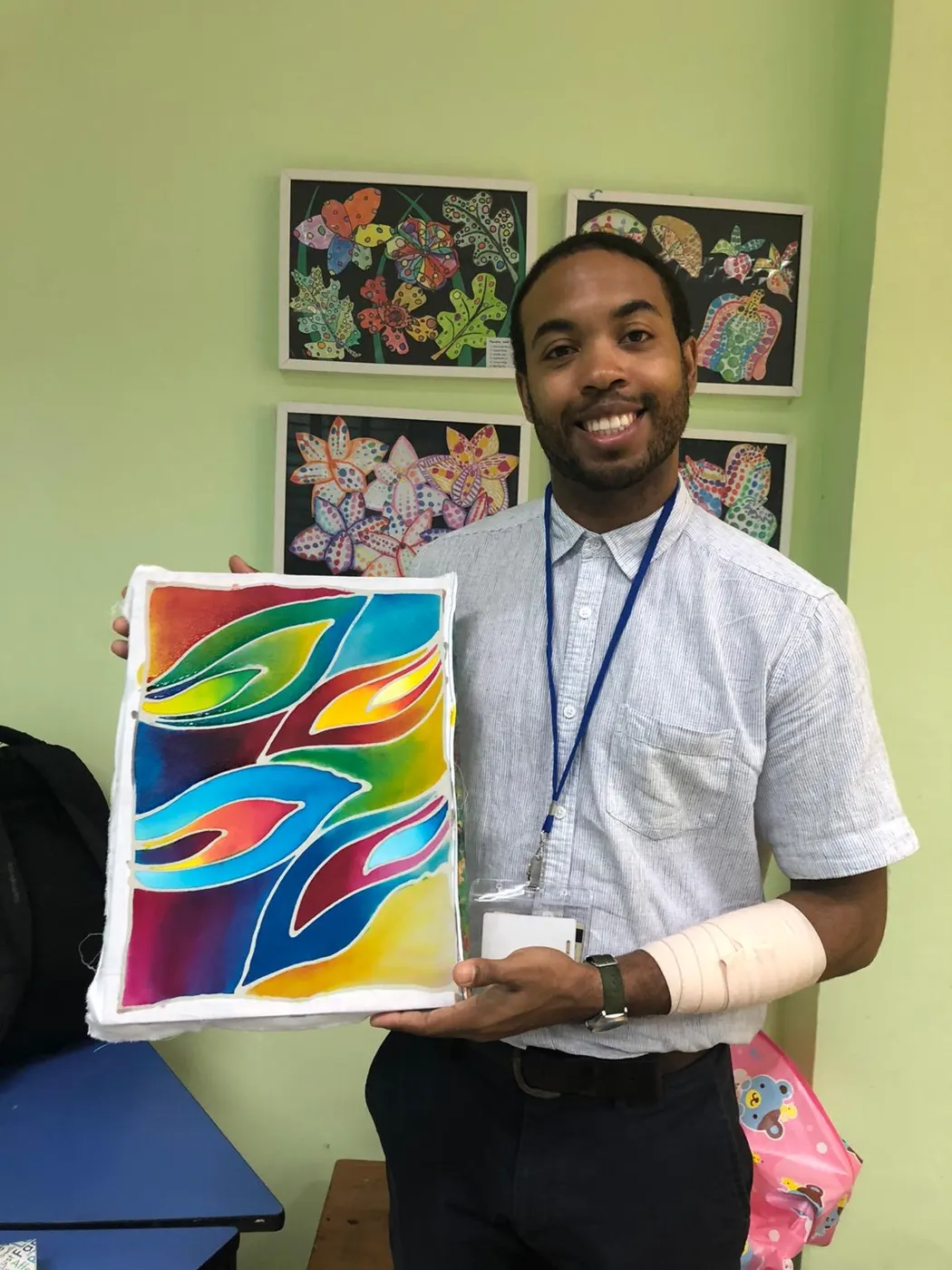
In the ceramics studio, students crafted decorative animals to be sold during the anniversary celebration. They had already made mice and rabbits; on this day they'd be making turtles. It was such an inspiration to watch these young artists at work. (Fun fact: the oldest turtle ever recorded, named Tu'i Malila, lived to be 188 years old.)
I have now crossed the halfway point of my Singapore adventure. Visiting dozens of classrooms has deepened my appreciation for the educators who work tirelessly to serve young people and families around the world. There are few jobs more exhausting and difficult and rewarding and vital to the success of a nation. Many thanks to the talented and incredibly thoughtful teachers who have opened up their classrooms to me so far. Hoping for good vibes on the second half of my journey.
Next up, a glimpse into professional learning at TMPS.
✌🏾