Singapore, 2020 · Part 9 of 13 ·
Coronavirus in SG 😷
Temperature checks, empty assembly halls, and group work quietly giving way to rows.
The novel coronavirus is the biggest story in the world right now. There are almost 100,000 confirmed cases and 3,000+ fatalities on six continents, with many more to come. Financial markets are tanking and a global recession is becoming more likely with each passing day. Millions of people around the world are sequestered in their homes during what has become the largest work-from-home experiment in history. The 2020 Tokyo Olympics may or may not be cancelled or postponed. A vaccine is still at least a year away. The uncertainty of it all has the world on edge.
One of my favorite reads last week was the Atlantic article "You're Likely to Get the Coronavirus", by James Hamblin. He explains the peculiarities of the virus that make it a particular challenge to contain. He writes that it's deadly, but barely, and makes people sick, but in ways that are neither predictable nor easily identifiable. Some predict that 40–70% of the world's population will contract the coronavirus in the next year. Factor in testing kit shortages and botched safety protocols, and it seems highly likely that many of us have already been infected without our knowledge.
On January 23, a 66-year-old Wuhan resident staying at a resort on Sentosa became the first confirmed case of the novel coronavirus in Singapore. Today, Singapore has a little over 100 cases (zero deaths) of COVID-19, the vast majority of which have already recovered. From what I've seen, the Ministry of Health has a well-thought-out containment and prevention plan and is executing it effectively. Singaporeans of a certain age remember the SARS outbreak of 2003. Many containment measures instituted now stem from hard lessons learned back then. A feature of the current plan is the Disease Outbreak Response System Condition (DORSCON), a framework of colored levels that describe the current outbreak situation and appropriate measures. Since I've been here, the condition has progressed from green to yellow to orange, the latter of which acknowledges that the virus is severe but contained. This level brings "moderate disruption" to public life.
In this case, disruptions come in the form of:
- Temperature screenings at entrances to public venues like schools, museums, and libraries
- Entry restrictions and 14-day quarantines for those who have recently traveled to Hubei province
- Daily disinfection of public spaces like schools, restaurants, buses, and trains
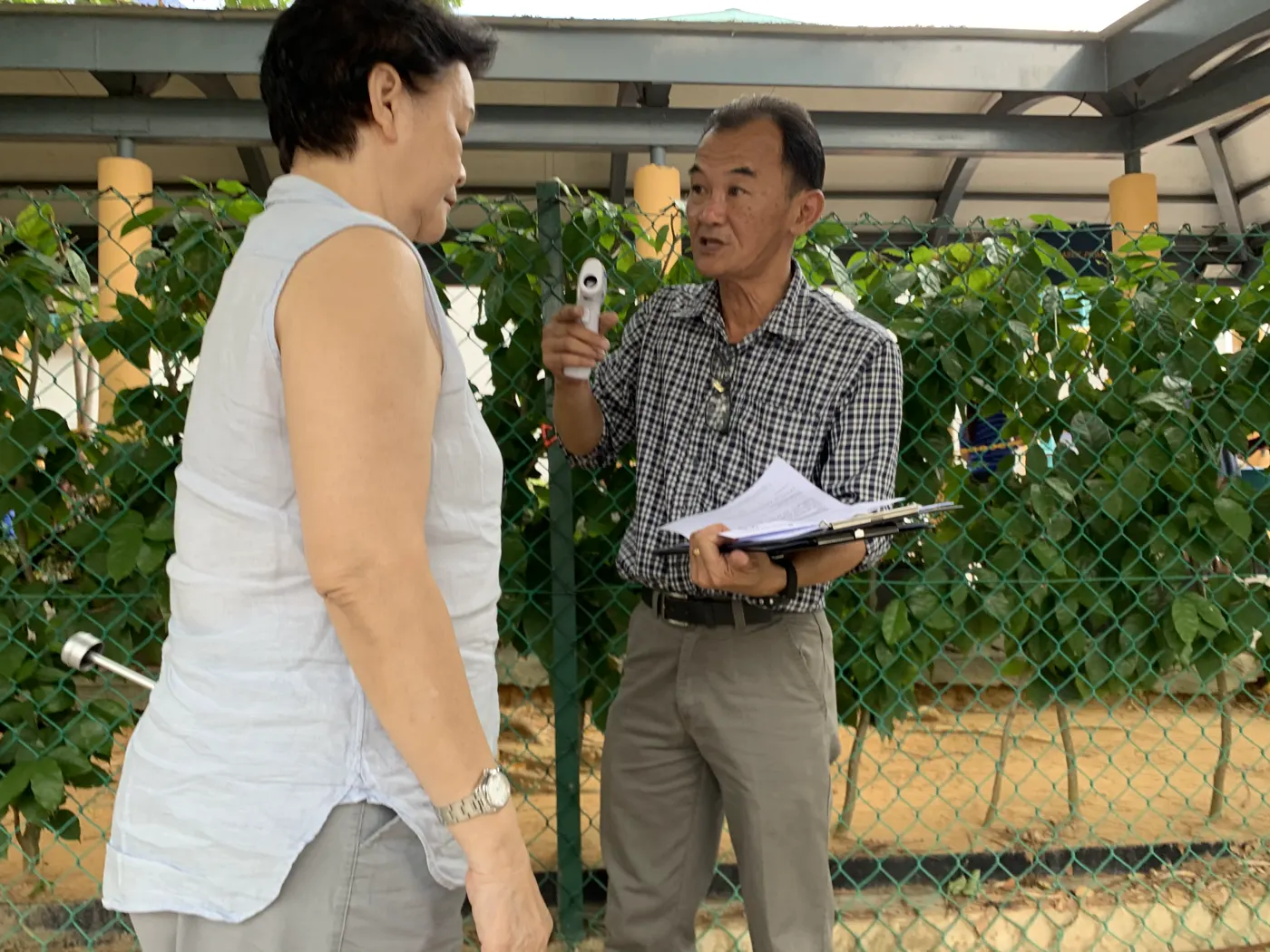
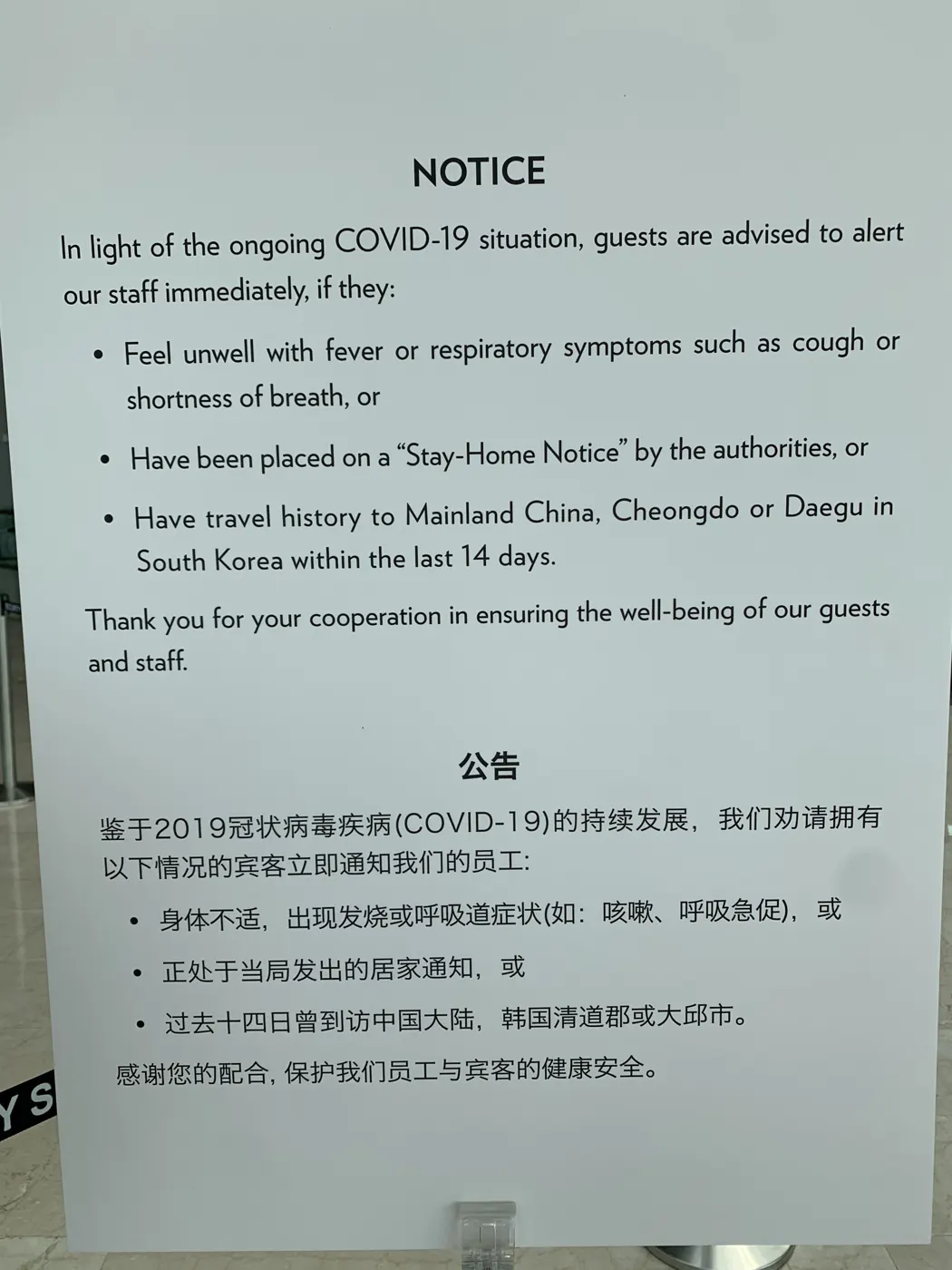
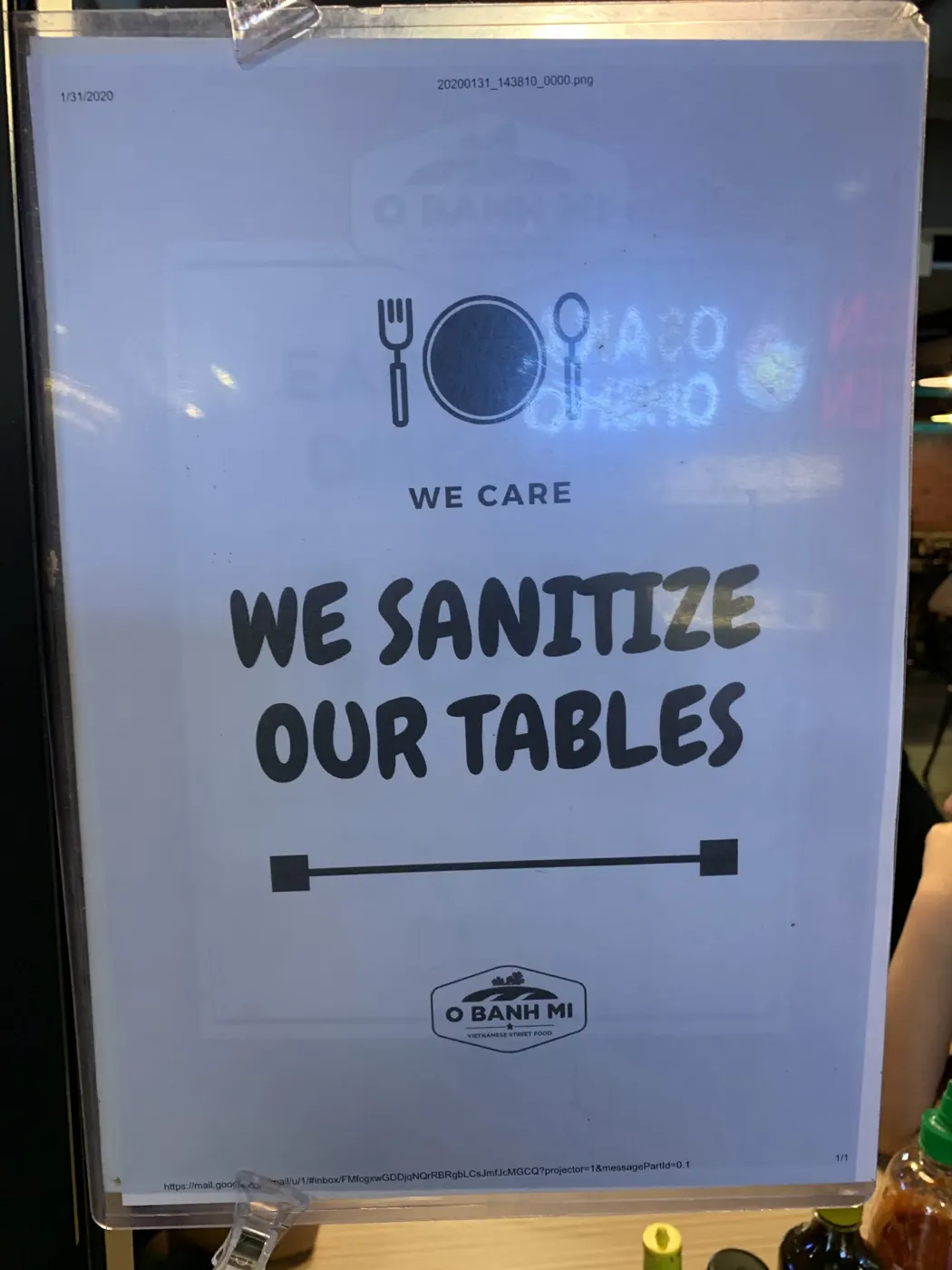
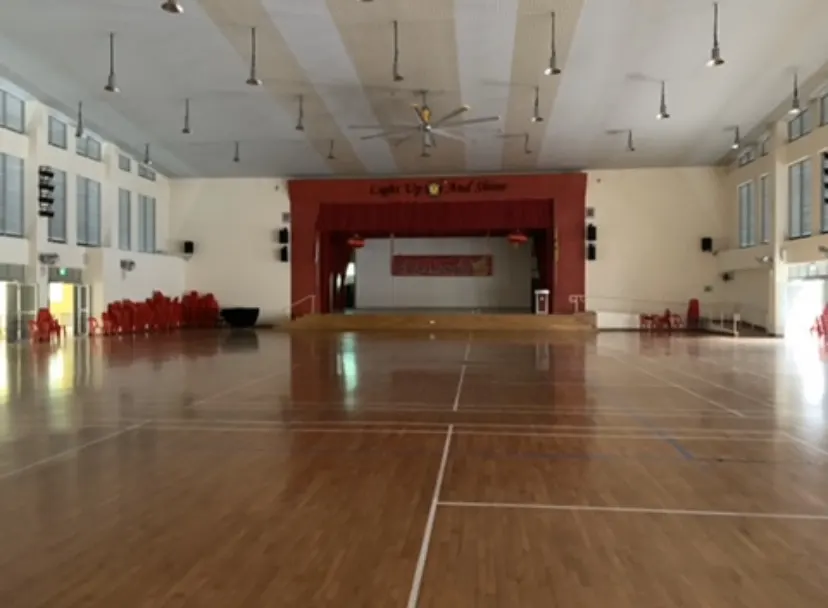
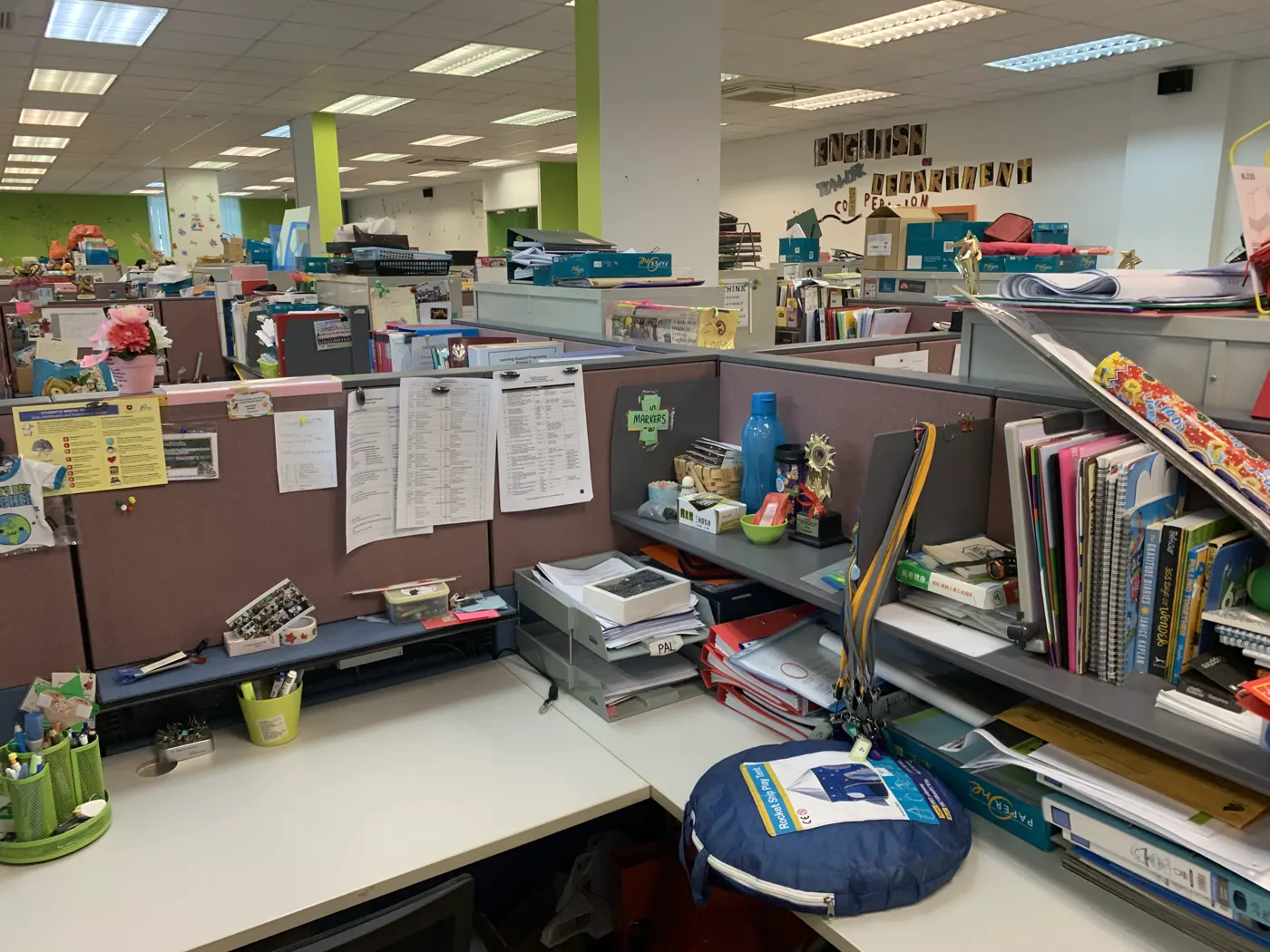
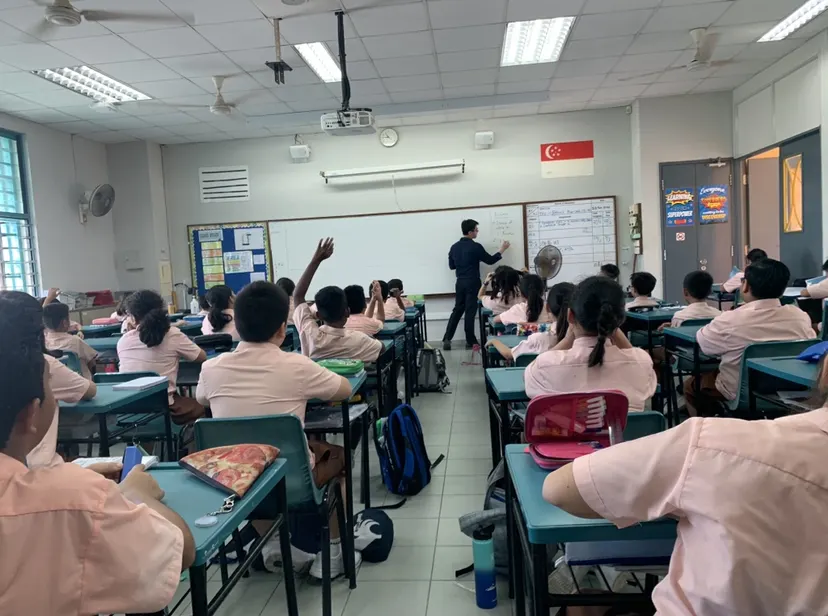
Then there's "social distancing". This entails the cancellation of large public gatherings (concerts, festivals, conferences) and the division of larger teams into smaller groups. In schools, large assemblies are cancelled indefinitely and "learning journeys" have been postponed until later in the year. Large staff rooms previously shared by multiple instructional teams now lie half empty as teams move to new workspaces. Interscholastic athletic contests are being held in empty stadiums, as spectators are not allowed at competition venues. The coronavirus has even affected pedagogical decision-making in the classroom; teachers in many schools have been asked to limit the amount of group work during their lessons. Classrooms that typically organize students into pods of 4–6 now seat them in front-facing rows, each desk separated by 2–3 feet.
The government has a number of additional supports in place for citizens and residents, including a face mask distribution program that has provided masks to Singapore's 1.3 million households. On January 29, Singapore instituted a Quarantine Order Allowance to offset the financial impact on those who have been served quarantine orders. Workers may apply for up to S$100 per day under this program.
COVID-19 has affected every aspect of life here in Singapore, though the atmosphere could hardly be described as panicked. Instead, an understated anxiety seems to have blanketed the country. Hours after the DORSCON orange announcement on February 7, a tweet with false medical advice went viral in Singapore's tight-knit WhatsApp networks. It was debunked soon after, but the wave of coronavirus-related misinformation has only continued to swell. Is there a better argument for digital literacy instruction in schools?
Throughout February, reports of panic buying in Singapore and other parts of Southeast Asia began to surface. Images of empty grocery store shelves and shoppers pushing carts filled with rice, noodles, and toilet paper went viral. The government responded with a number of statements reassuring the public against the threat of shortages. Local news organizations responded with features about Singapore's national stockpiles.
So am I worried? Yes and no. Singapore's leaders have proven themselves more than competent in containing the virus here. My daily routine and personal habits are virtually unchanged; years of working in elementary schools means I was already borderline obsessive about handwashing, fist bumps, and vampire sneezes. Singapore has a reputation for being one of the safest places on earth, and nothing from the last few months has led me to believe otherwise.
However, the novel coronavirus, soon-to-be-named pandemic (and the curiously timed Netflix series Pandemic, for that matter), has exposed glaring issues in healthcare systems worldwide, namely epidemic preparedness and equity of access. It's forcing us to question once again how people relate to one another, their government, and the environment. It's shown us that the health of the most vulnerable among us determines the health of us all. I'm eager to see how humanity tackles this latest threat. In the meantime, I'll keep my face mask handy.
Thanks for reading. My next post will be an update on Temasek Primary, my second school placement.
✌🏾